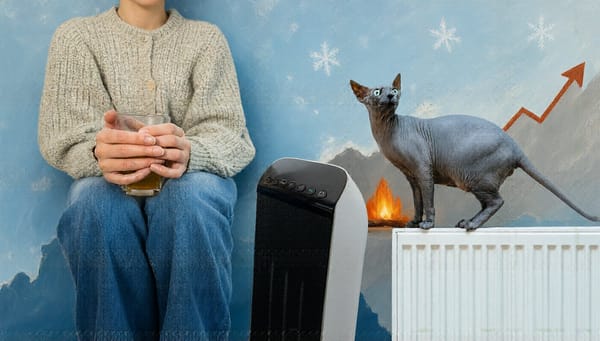
Vulnerable households keep heating off before Noodfonds opens
Vulnerable households face growing money stress as temperatures fall and energy prices rise, while the Noodfonds Energie (emergency energy fund) only opens in January.
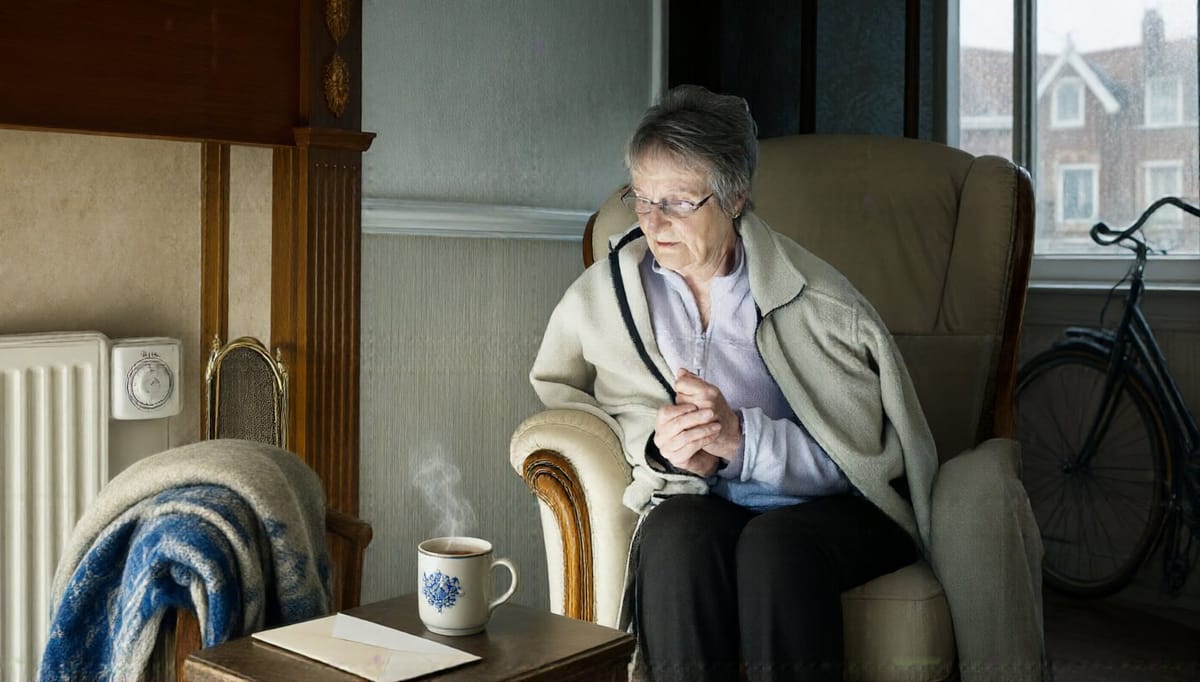
Why it matters: The fund is only for people who can show a high enough energy bill. Many people keep the heating off, so they do not qualify, according to research in the Maastricht district of Caberg.
The details:
- To qualify, households must spend 8 percent of a low income on energy.
- The social minimum in 2026 is €1,669 for a single person and €2,337 for a cohabiting couple.
- TNO research on 2024 estimates 119,000 Dutch households often do not turn the heating on at all.
- The Red Cross says people skip meals more often. Its own research shows households struggle more to make ends meet, which causes stress.
Who is affected: Anna Custers, lector (professor-level researcher) in poverty interventions at the Hogeschool van Amsterdam, says low-income households in poorly insulated homes that use much gas are hit hardest. She says people with little money often set the heating very low, which affects comfort, health and mould. Because they spend a relatively small share of income on energy, they get no payment from the fund. She calls this hidden energy poverty.
On the ground:
- Ikram Harakate, a mother of two in Maastricht, has about €50 a week for groceries. She has not turned on the heating because she does not know the cost.
- Geerte Courtens, a neighbourhood worker at welfare organisation Trajekt, says many older people skip heating and go to bed at six in the evening when it is cold.
- Food bank volunteer Nicole Ramakers says people often discuss the fund but expect little from it. She adds that some low-literacy people cannot apply themselves.
Wider picture: Minister Hans Vijlbrief wrote to the Tweede Kamer (lower house) that higher-income households also run short after fixed costs. He said social organisations see many requests for fuel costs, help with energy bills and warm clothing. Custers says 80 percent of the money for poverty and debt policy has gone to the Noodfonds.