Tweede Kamer backs tougher penalties for environmental crime
The Tweede Kamer (Dutch lower house) has passed rules that raise penalties for environmental crime, make more offences punishable and make it harder for polluting companies to avoid prosecution.
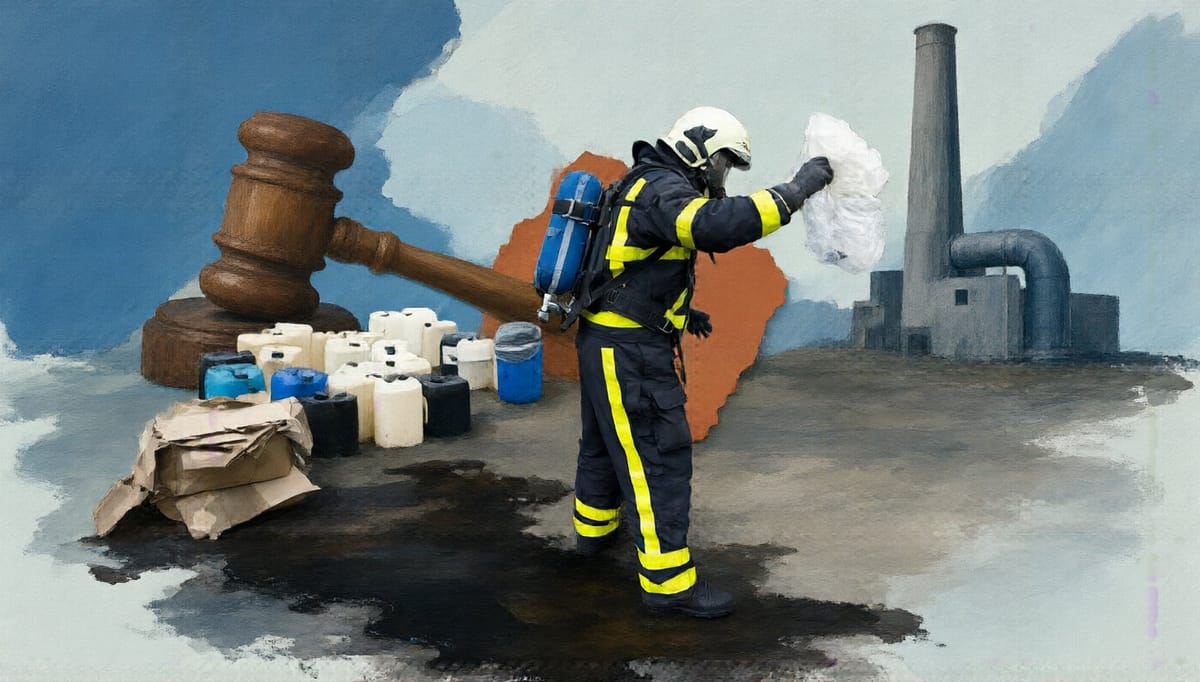
Why it matters: The rules implement a European directive that all EU member states must turn into law. Environmental crime includes drug dumping, illegal waste discharges by companies and manure fraud.
The details:
- Fines of up to €40 million can now be imposed, according to Joost de Weijer of the Openbaar Ministerie (OM, Public Prosecution Service).
- Until now, prosecutors usually demanded no more than a few hundred thousand euros in environmental cases, De Weijer said.
- The OM is "very positive" about the rules and wants to demand higher sentences.
- More emphasis will go to prosecuting company directors and to halting business operations, De Weijer said.
Old permits: Sjoerd Lopik, an environmental law researcher at Leiden University, said companies with outdated permits are now more likely to be prosecuted. Before, they could keep discharging as long as they held a permit, even if it clearly caused serious pollution. He pointed to the PFAS scandals involving Chemours in Dordrecht and Sabic in Bergen op Zoom, where the companies argued their permits covered the discharges. Former minister Tieman of Infrastructuur en Waterstaat admitted last year that the national government is behind on renewing permits.
Danger as grounds: Environmental criminologist Marieke Kluin of Leiden University said danger to the surroundings becomes a standalone reason to prosecute. Prosecution often used to happen only when there were human victims. Lopik expects the higher penalties to deter offenders.
Remaining gaps: Kluin said her earlier research found that environmental criminals often still escape punishment, partly because of capacity shortages and fragmentation across agencies. The minister freed up a structural €3 million extra, but that money must be divided among several agencies.