TSB scheme adds work-related lung disease from 2027
People with extrinsic allergic alveolitis, also called hypersensitivity pneumonitis, can apply for a payment under the TSB scheme from 1 January 2027.
Why it matters: The TSB scheme (Tegemoetkoming Stoffengerelateerde Beroepsziekten) is for people who became ill through exposure to hazardous substances at work. People who can demonstrably show they have one of the covered diseases qualify for a one-off payment of just over €27,000.
The disease:
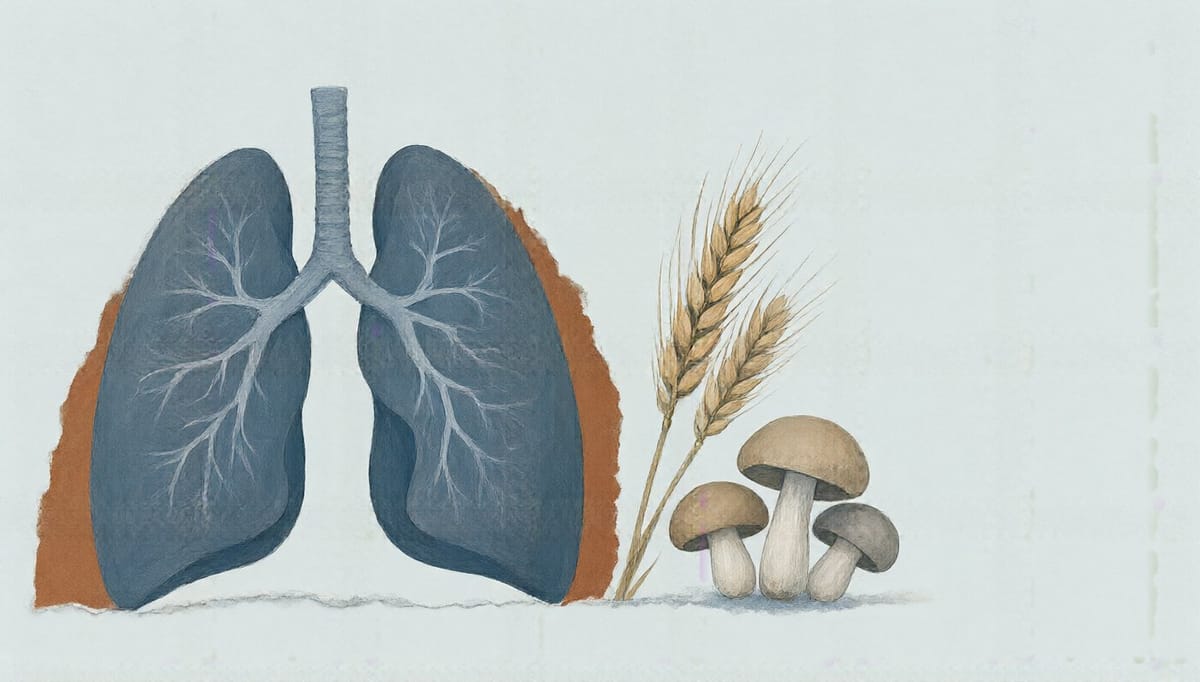
- The air sacs in the lungs become inflamed, which can result from a long-term allergic reaction to, for example, moulds or allergens such as wheat.
- Patients get a flu-like feeling, cough or feel short of breath. Scarring can also develop, making the lungs work less well.
- These complaints can point to an occupational disease. The Rijksoverheid (Dutch government) names bakery workers who handle wheat and people in frequent contact with moulds, such as mushroom growers.
How to apply: Applications go through the ISBG (Instituut Slachtoffers Beroepsziekten door Gevaarlijke stoffen). Since 2023, the scheme has offered patients a shorter, faster route to recognition of their occupational disease.
The scheme: Extrinsic allergic alveolitis is the seventh disease added. The others are:
- allergic asthma
- lung cancer caused by asbestos
- CSE (painter's disease)
- nose and sinus cancer caused by wood dust
- silicosis (irreversible lung damage from inflammatory reactions)
- lung cancer from inhaling respirable crystalline silica