Staff shortage cuts breast cancer screening invitations by 6 percent
Nearly 1.2 million women received an invitation for breast cancer screening last year, 6 percent fewer than the year before, because of staff shortages, the RIVM (national public health institute) said.
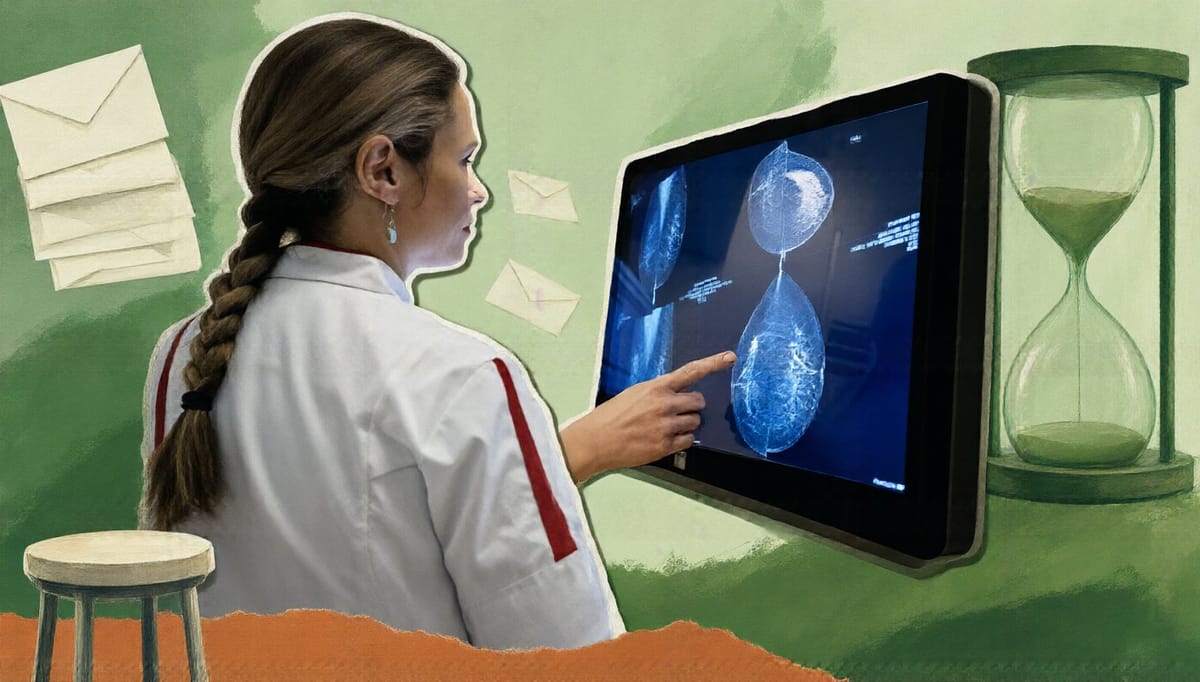
Driving the news: The RIVM published the figures on Tuesday. Patricia Hugen of the RIVM told news agency ANP the shortage led to fewer invitations in 2025. The shortage includes too few screening technicians (screeningslaboranten), who make the breast images.
By the numbers:
- Nearly 820,000 invited women took part in 2025, about 7 percent fewer than the year before.
- Turnout barely changed, so fewer participants reflects fewer invitations.
- Just over two thirds of invited women take part each year. Participation is lowest among women under 55 and aged 70 and older.
Why it matters: The RIVM says screening aims to find cancer early, which improves the chance of cure. Fewer invitations may mean tumours are found later. Some women who could have been cured may die. The RIVM says the backlogs mean dozens more women a year will die of breast cancer in the long term.
What is being done: Bevolkingsonderzoek Nederland, which runs the screening, ran a recruitment campaign for trainee mammography technicians. The RIVM says all training places are filled. It also looked at having hospital staff make mammograms, and says several hospitals offered to help.
Outlook: Health Minister Hermans wrote to the Tweede Kamer (House of Representatives) that there is no prospect of improvement for now. Backlogs date back to 2020, when screening paused for a time during the coronavirus pandemic. They have not been cleared.
Cervical cancer screening: About 360,000 women took part in 2025, more than 25,000 fewer than the year before. The RIVM links this partly to a data theft at the Clinical Diagnostics laboratory in Rijswijk. Hackers stole medical data of hundreds of thousands of women, which caused unrest among some of the target group. The two other laboratories took over the work, backlogs grew, and first invitations were temporarily halved.