Pro and CDA MPs want traffic fine system overhauled
MPs Abdi (Pro) and Straatman (CDA) want higher fines for dangerous driving and lower penalties for people who commit relatively minor offences.
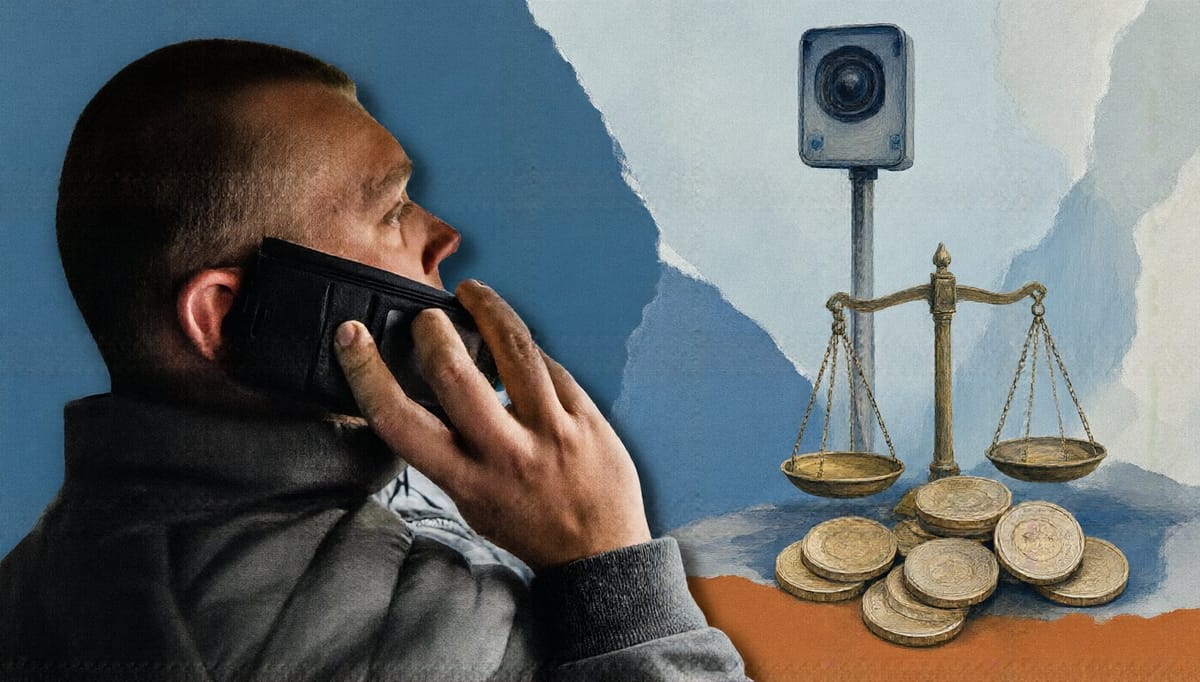
Driving the news: In an initiative memo, the two argue the current balance is off. They say the heavier the offence, the more lenient the policy, and the more vulnerable the offender, the harsher the system.
What they propose:
- Higher fines for dangerous behaviour such as major speeding, driving under the influence and holding a phone behind the wheel.
- A bigger chance of getting caught, for example through better speed cameras.
- A person-focused approach for repeat offenders.
- Lower surcharges for unpaid fines: from 50 to 25 percent the first time, and from 100 to 50 percent the second time.
- More room for payment plans and the option of debt forgiveness for people who cannot pay.
By the numbers:
- The MPs say a minor offence that cost €68.06 (converted) in 1990 now costs €490 in 2026.
- If unpaid, that can rise to €1,470, which they say vulnerable people cannot pay.
- The cabinet plans to raise fines with inflation next year, an extra 2.7 percent. Running a red light would cost €10 more, at €330.
What they said: Straatman said it cannot be that someone who cannot pay a fine ends up paying three times as much. Abdi called it a world turned upside down when a government earns from its own citizens' debts.
The big picture: Abdi and Straatman say the government uses traffic fines as a cash cow. Scrapping the inflation rise would cost the treasury €46 million. The Tweede Kamer (lower house of parliament) asked the cabinet last month to drop the plan, saying fines are barely in proportion to the offences. The Centraal Justitieel Incassobureau (central fine collection agency) has also criticised fine levels, saying they increasingly diverge from fines in criminal law.