Phone and laptop prices stay high as memory shortage lasts
The shortage of memory chips for electronics is not ending soon, and ING expects the RAM market to stay tight until 2028.
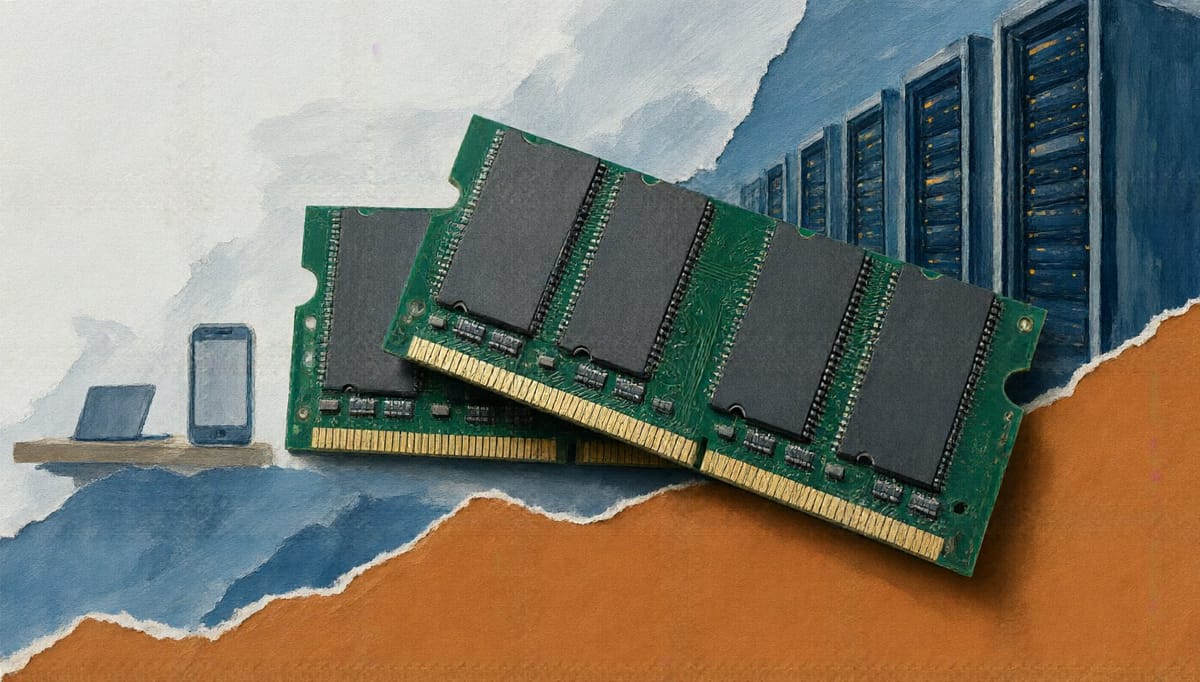
Why it matters: Prices for phones and laptops stay high next year too, and manufacturers expect to sell fewer products.
By the numbers:
- Phone shipments fell 20 percent over the past year, according to analysis firm Counterpoint. No quarter in the past 14 years saw fewer shipments.
- Market analyst IDC reports 62.7 million computers shipped worldwide in the past three months, versus 78.5 million a year earlier. That is also a 20 percent drop.
Driving the news: A large share of the chips made goes to AI companies such as Meta, Google and OpenAI, which run data-centre servers and are willing to pay a lot. ING technology analyst Jan Frederik Slijkerman said AI models need large amounts of RAM. He added that RAM makers have shifted production to newer chips suited to AI, away from older, cheaper ones.
Forecasts:
- Slijkerman expects the RAM market to stay tight until 2028.
- IDC earlier expected the shortage to last deep into 2027.
- SK hynix, a South Korean chipmaker, expects it to last until 2030.
- The shortage began last year, and forecasts keep moving further out.
Who is affected: Slijkerman said all products containing memory chips have become more expensive, especially smartphones and laptops. He said consumers keep their smartphones longer or choose refurbished ones. New products get little or no extra RAM, though newer models usually get more.
Premium brands: Manufacturers still launch expensive top models. Apple released its first foldable phone this year at €2,339. Slijkerman said Apple and Samsung have more margin to absorb higher costs and use trade-in programmes to widen access.