Over 400,000 Dutch cars drive with open recalls
Hundreds of thousands of cars in the Netherlands are on the road with an open recall the RDW (Dutch vehicle authority) classifies as "serious", and Minister Karremans is considering a legal duty to cooperate.
By the numbers:
- The RDW says the total is more than 400,000 cars, though it stresses the exact number is uncertain.
- Repaired and affected cars may be missing from the count, because there is no obligation to supply the data correctly.
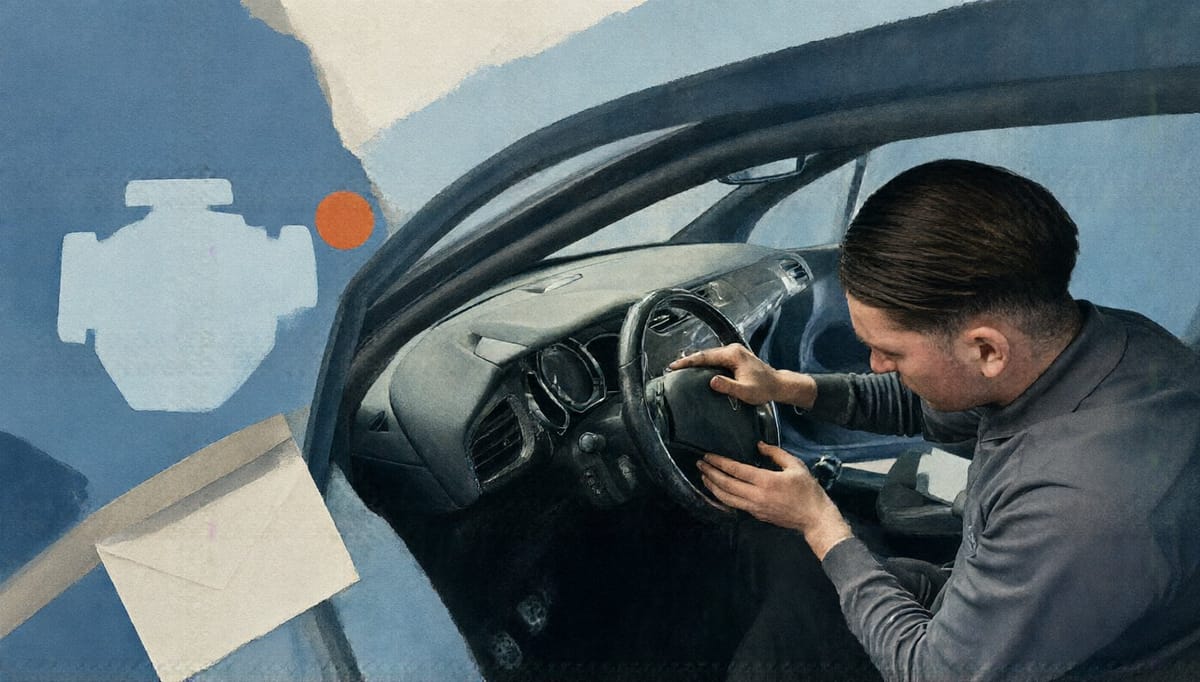
- In seven out of ten open recalls, the problem is protective equipment such as seat belts, airbags, Isofix child-seat mounts or headrests.
- An estimated 160,000 cars in the Netherlands have a vulnerable Takata airbag, which can explode. Deaths have occurred abroad.
The risks: Occupants risk accidents, for example from batteries catching fire, or extra injury in a crash if airbags are defective. Some drivers keep driving for years. A Daihatsu Materia recall for possibly loose steering bolts started nineteen years ago, and the repair is free.
Recent examples: The hybrid Ford Kuga has a battery that can catch fire. The Volvo EX30 has headrests that can come loose, and owners will be informed next week.
What Karremans said: The Minister of Infrastructure and Waterstaat wants registration and communication with owners improved first. He said there is no good grip on the problem or on how many cars are involved. If that fails, he is considering requiring consumers to cooperate.
Insurance: The Verbond van Verzekeraars (Association of Insurers) warns that driving on can cause problems with cover, depending on circumstances.
- An open recall alone is not enough to affect cover.
- It could matter if someone knowingly keeps driving with a warning light caused by a known problem. The owner would then pay accident damage themselves.
- Insurers said they support investigating extra measures if owners do not get repairs done.
Abroad and earlier pledges: The Rutte III cabinet promised improvement in 2019 and looked at obliging owners to repair. In Norway, Denmark and Germany, manufacturers can be sanctioned. In Denmark, Germany and Finland, owners can be fined for not fixing defects.
Who supports an obligation: Bovag (the auto industry body), the RDW and the Inspectie voor Leefomgeving en Transport back a duty for owners. Drivers could then be barred from the public road, as with an expired APK (vehicle inspection). Bovag says RDW registration must improve first, so people are not wrongly banned.