Netherlands and Four Partners Plan Rwanda Return Hub
The Netherlands, Germany, Austria, Denmark and Greece are working with Rwanda on a return hub for rejected asylum seekers, with first transfers hoped for in 2027.
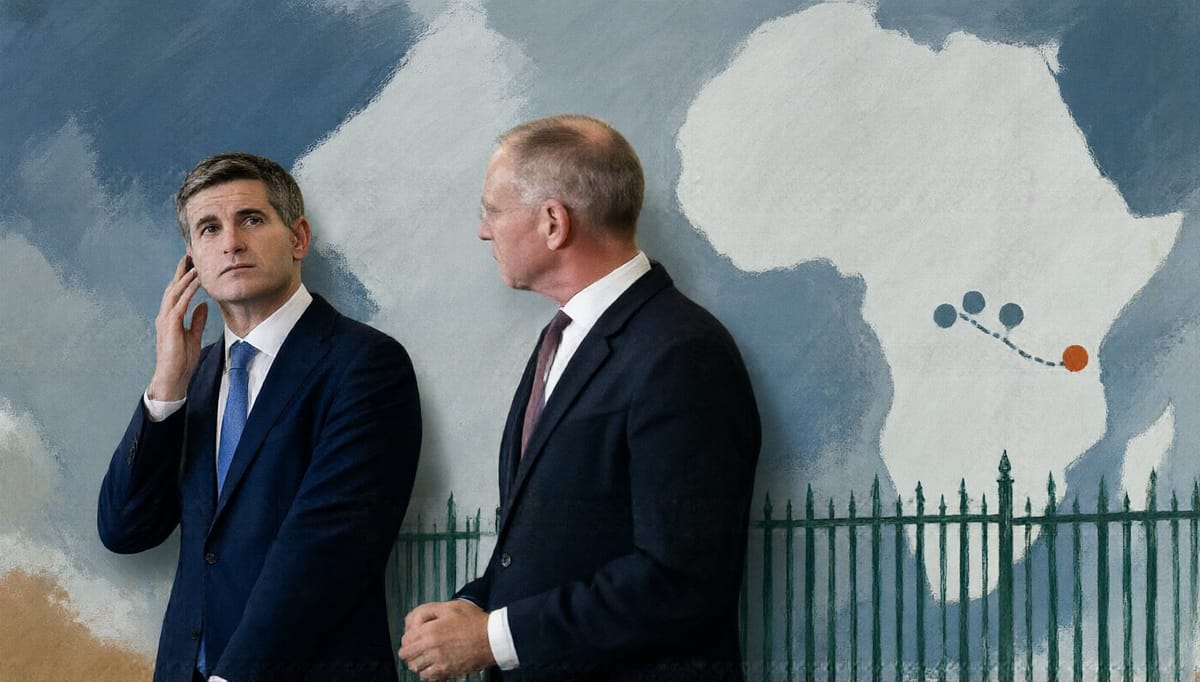
Driving the news: The five countries, called the kopgroep (lead group), presented the first official step at a migration conference in Vienna on Monday. Rwanda has said it wants to cooperate, and the agreements are meant to be formalised officially in early 2027. Minister Tom Berendsen (Foreign Affairs) attended for the Netherlands, replacing asylum minister Bart van den Brink at the last moment.
The plan:
- The hub is meant to have room for 100 people. Its exact location has not been announced.
- Migrants would get residence rights in Rwanda, an integration programme, and access to education, the labour market, healthcare and justice. They can still choose to return to their country of origin.
- In the first phase, only single men will be sent. The Dutch focus is on people from countries in Rwanda's region.
- NOS reports that the five countries are expected to send a few dozen people in total.
- The UN refugee agency and the International Organization for Migration (IOM) will be involved.
- The countries share the costs, including temporary accommodation. NOS says the amount is not yet clear.
What they said: The Dutch government said return is essential for the asylum system and crucial for public support for reception. It said the hub follows European and international law, and no one will be sent back if there is a real risk of persecution. Van den Brink said the step should lead to more returns. Berendsen said it is responsible to proceed.
Concerns:
- 46 organisations, including VluchtelingenWerk and Stichting Vluchteling, said no partner country, legal safeguard or oversight can remove the fundamental risks of such centres. NOS cites a group of 40 organisations. Amnesty International and Save the Children have also voiced concern.
- Berendsen said he understands the organisations value human rights protection. He would not say what consequences the Netherlands would attach if Rwanda violated human rights.
- NOS reports that France and Spain have also raised concerns.
- How oversight will work is not yet clear.
Hurdles: Selected asylum seekers are expected to go to court, and a case before the highest European court could take years. NOS says Rwanda also wants economic support, and the countries hope the EU will contribute, but this is not certain.
Asylum inflow: About 870 people entered the Dutch asylum system in week 46, according to the Rijksoverheid (Dutch government). That figure includes:
- 590 first applications
- 220 arrived family members (excluding 8EVRM cases)
- 60 other applications, including repeat applications, resettlement and relocation
The figures are preliminary and rounded to the nearest 10. The IND (immigration service) publishes final figures monthly.