Marechaussee refused 650 people entry during border checks
The Marechaussee (Dutch military police) refused 650 people entry to the Netherlands during almost two years of internal border checks, which have now ended.
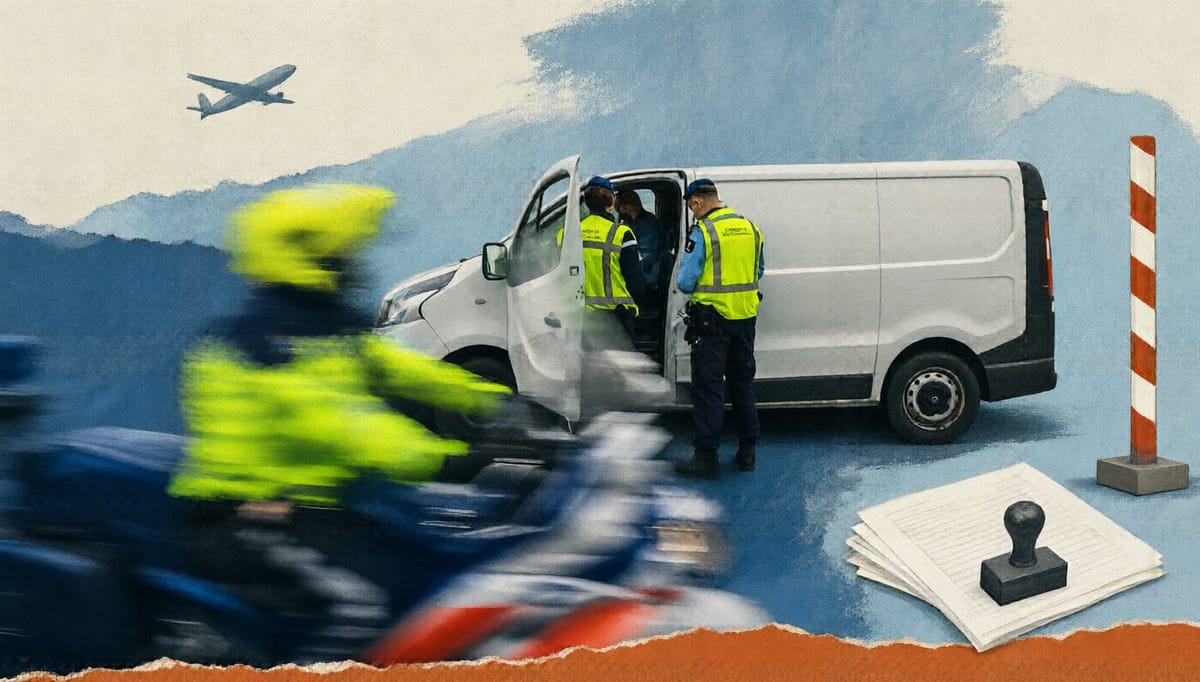
The latest: The Netherlands stopped the internal border checks at the start of this month. The measure may only be temporary. Regular Marechaussee controls have been expanded instead.
By the numbers: Asylum minister Bart van den Brink sent the figures to the Tweede Kamer (lower house of parliament) in a letter on Wednesday.
- Nearly 44,000 cars, vans and trains were checked up to September of this year.
- At airports, checks covered 4,730 flights.
- At least 580,000 people were checked in total.
- 170 people applied for asylum during the checks. The Marechaussee must refer them to Ter Apel.
Who was refused: Some people lacked the right papers or could not explain well what they came to do in the Netherlands. Others were seen as a danger to public order or national security. At airports, 130 people did not meet the entry conditions. They were already on Dutch soil, so they received a return decision and had to leave.
Background: Then asylum minister Marjolein Faber introduced the checks in December 2024. The cabinet wanted to reduce asylum applications and ease pressure on the asylum chain. The Netherlands cited a threat to public order, though it was not made clear what that threat was.
Criticism: Dutch border municipalities first objected to nuisance from the checks. Traffic jams mainly stem from continued checks on the German side. The Algemene Rekenkamer (Court of Audit) said the checks were not effective, because they did not lower asylum applications as the cabinet wanted. Faber then pointed to a deterrent effect.
What changes: The Marechaussee may now check more often at one location. It can also check all passengers on a plane or train instead of only some.