KNMI replaces provincial weather warnings with local ones
The KNMI (Dutch weather institute) no longer issues code yellow, orange or red warnings per province, and now marks flexible local areas instead.
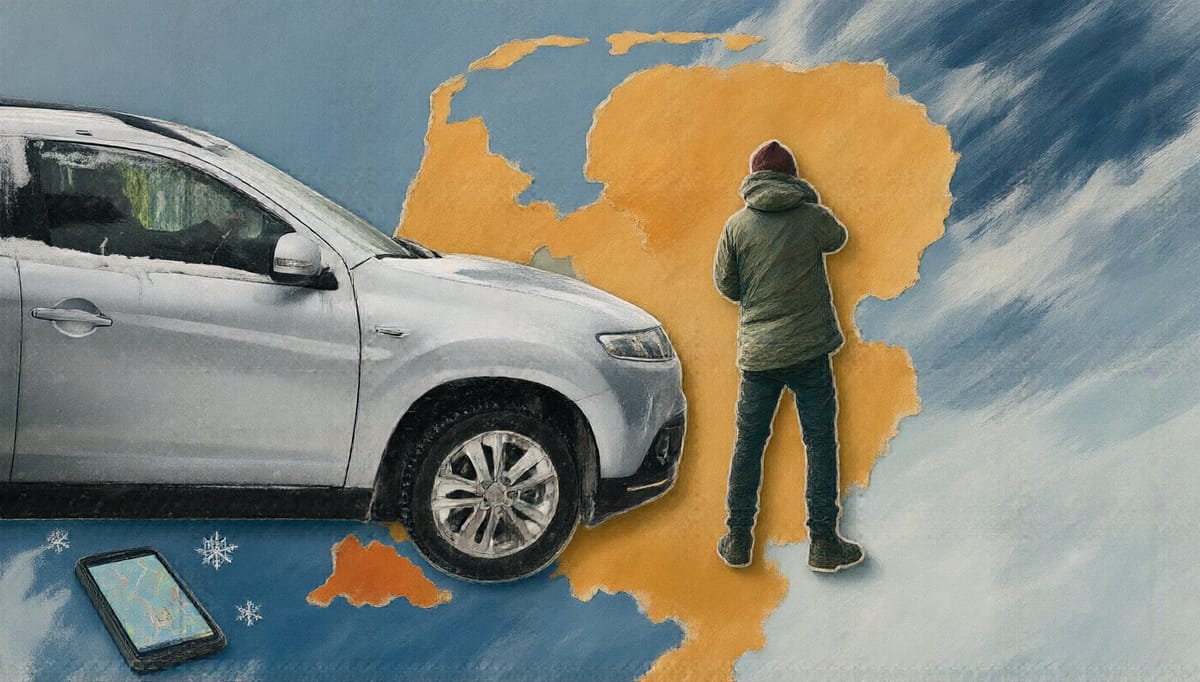
Why it matters: KNMI director Maarten van Aalst said the change lets the institute warn people better and helps keep trust in the warnings. A KNMI spokesperson said it should mean fewer unnecessary warnings, though "it may be that fewer warnings come."
What changes:
- From 2 November, the KNMI website and app show maps with flexible areas, not whole provinces in one colour.
- Each weather type now has its own map. Before, everything appeared on one map.
- The KNMI warns about slipperiness, heat, cold, fog, thunderstorms, snow, waterspouts, wind gusts and heavy rain.
- Meteorologists can draw a warning area without following provincial or municipal borders.
The details:
- Users can zoom in or search by place of residence. Organisations can download the data to build their own maps or applications.
- The KNMI said the effect should be most noticeable in large provinces.
- As an example, the KNMI showed storm Benjamin from October 2025. Code orange applied in the west and code yellow elsewhere. More precise areas showed a smaller gust risk, and in the east it was hardly an issue.
Who is affected: Remmy van Lieshout of Veiligheidsregio Amsterdam-Amstelland (regional safety authority) said a storm hitting Den Helder currently puts Amsterdam on alert too. She expects to hear from November that it is in Den Helder and not Amsterdam.
Behind the change:
- A law change was needed first. Since 20 May the KNMI may warn on a smaller scale than provinces.
- The KNMI then spent months on the technical side. A different dataset is needed, which must also be available to the NOS and Buienradar, the spokesperson said.
- Since August, the app also alerts users to a thunderstorm expected within 15 minutes of their location.
Code rules: Fixed thresholds are set per weather type for code yellow or orange. Code red is issued in consultation with other organisations when the impact is clearly very large. This year the KNMI issued its first code red for heat.
Caribbean: The Caribbean islands have their own warning system, for example for hurricanes.