Human rights body warns of growing protester monitoring
The College voor de Rechten van de Mens (Netherlands Institute for Human Rights) warns that the government is gathering ever more information on demonstrations and demonstrators, which it says puts rights under pressure.
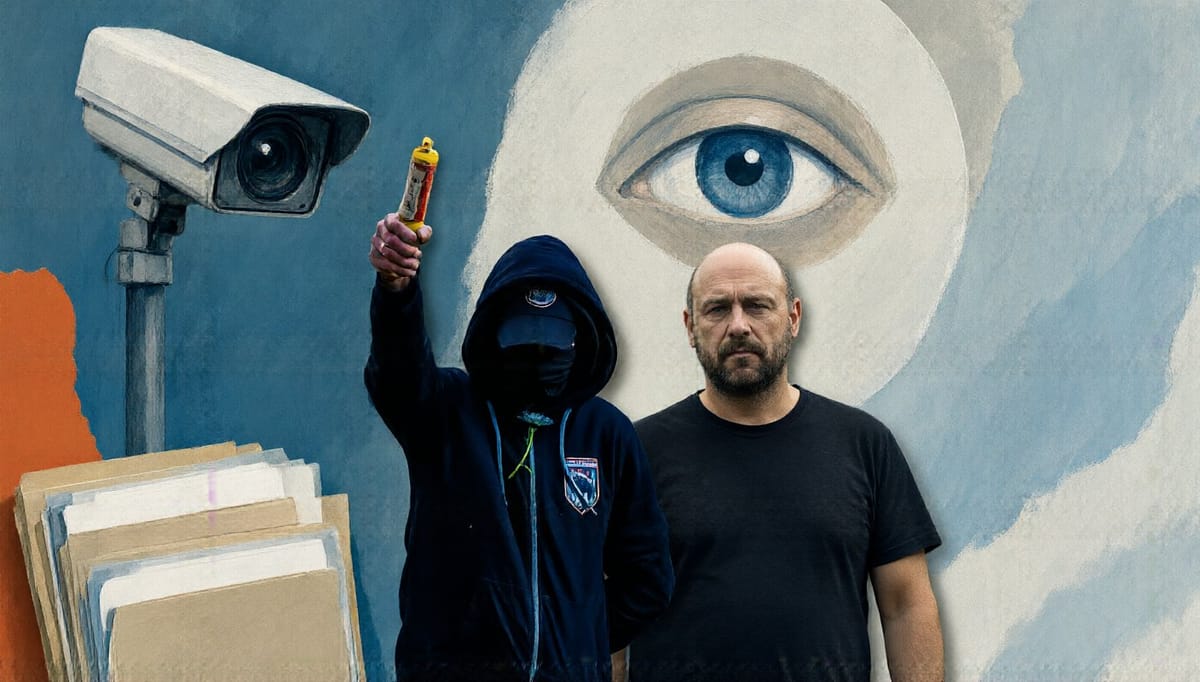
Why it matters: The College says people may stay away from protests, or withdraw from public debate, if they feel authorities are following or registering them. It says this sits uneasily with human rights.
What the College found:
- Its research looked at online monitoring, police observation on the street, citizen informants, data requested from organisers and camera surveillance.
- Combined, this information can give a detailed picture of the personal lives of protesters and organisers, the College says.
- Some data can reveal political or religious views.
- The risk to privacy and to the right to protest peacefully is growing, it says.
What they said: Chair Rick Lawson said people who register a demonstration are asked for their name, place of residence, any social media accounts, expected attendees and their message. He called this understandable, because it helps municipalities and police, but said it breeds distrust. He also said measures introduced for protests can later be used at demonstrations where nothing is wrong.
By the numbers: About 97 percent of demonstrations pass peacefully, without incidents, according to the College. It says police and the Openbaar Ministerie (public prosecution service) already have criminal powers after protests get out of hand. It says politicians and officials often reflexively ask for more powers.
What the College wants:
- More restraint with new supervisory powers over protesters and demonstrations.
- Critical examination of online monitoring and camera surveillance.
- Existing and new measures assessed together.
- More transparency on what data is collected, stored, shared and used.
- As little personal data collected as possible.
The College presented the findings in its annual report.