Grid update frees space in parts of region, Utrecht stays closed
Grid operators helped 224 organisations on the waiting list in the Flevopolder-Gelderland-Utrecht region, but new connections in the Utrecht area remain closed.
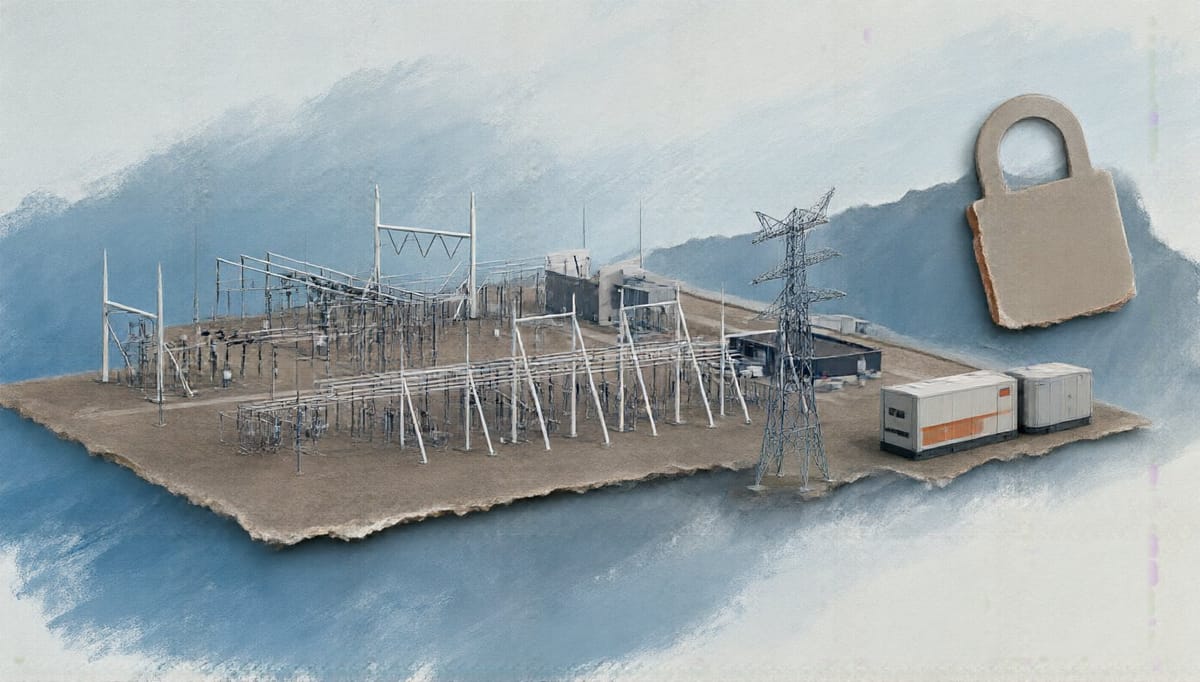
Why it matters: Households and businesses around Utrecht that want a new or heavier connection must still wait, according to the ministry. Housing construction can continue, as the measures leave enough room for projects.
The details:
- State Secretary De Bat reported the first six-monthly update to the Tweede Kamer (Dutch House of Representatives). The government announced in April that the grid in the region had hit its limit.
- The 224 organisations on the waiting list could be helped from June onwards.
- Around Utrecht ('Congestiegebied Breukelen-Kortrijk'), the shortage of grid space has shrunk, but not enough for new connections.
- Planned housing projects that start building within 3 years have enough room.
- In the 'Congestiegebied Doetinchem' area, almost all requests with social priority could be helped this summer. No new room is available for other requests.
Gelderland: The ministry of Economische Zaken en Klimaat says a connection stop will hit sixteen municipalities in Gelderland. It applies to businesses, new homes and households wanting a heavier connection. It is the second full stop in the country after Utrecht.
- The stop will apply until at least 1 July next year. It covers all requests received after 1 July this year.
- Fully affected: Aalten, Bronkhorst, Doesburg, Doetinchem, Duiven, Lochem, Montferland, Oost-Gelre, Oude IJsselstreek, Westervoort, Winterswijk, Zevenaar and Zutphen.
- Partly affected: Berkelland, Brummen and Voorst.
Winter measures: Grid operators expect the grid around Utrecht and in southern Flevoland could become overloaded on the coldest days this winter. They will temporarily deploy generators running on renewable diesel (HVO) and mobile batteries. These can leave after a few months.
Priority rules: Since 1 July, requests with social priority get precedence across the Netherlands. Examples include fire stations, hospitals, schools and housing. The rules no longer distinguish small and large consumers, and no unused grid space is reserved for households. New space is released step by step.
What is next: The government and grid operators will check every six months whether room exists for new requests. They say more room should open up across the region as further measures take effect.