Four-day school week stays rare despite teacher shortage
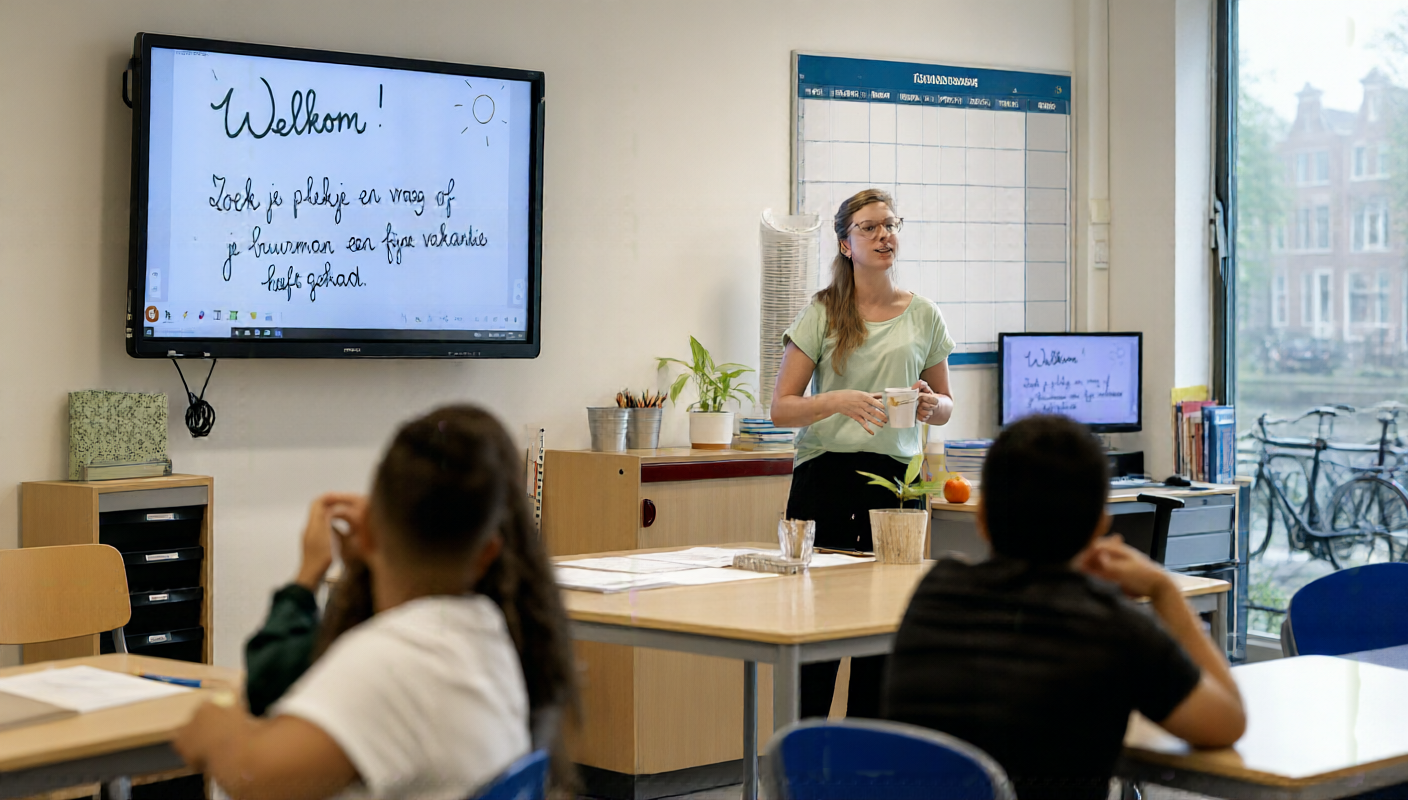
Despite the teacher shortage, only three of 308 primary school heads surveyed by NU.nl and school leaders' association AVS have introduced a shortened week this school year.
By the numbers:
- That is under 1% of respondents. It covers adjusted timetables lasting weeks or months, not a one-off day off.
- Of the heads who have not done so, under 2% expect it to probably happen later this school year.
- Fewer than 15% think it "maybe" will.
- NU.nl says the survey is not scientifically representative. The 308 heads are a little under 10% of AVS members. It calls the result an indication, and several experts recognise the picture.
The rules: Nienke Ruijs, who researches the teacher shortage at Maastricht University, said a primary school may have a four-day week on its timetable at most seven times a year, public holidays excluded. Seven study days already reach that limit.
Why schools hesitate:
- Lianne ter Steeg of the AVS said a shortened week raises questions about missed lessons, homework and children of working parents.
- She said earlier education ministry pilots showed teaching quality too often suffered.
- Ruijs said US research shows negative effects on school results, even when remaining days are made longer. She said it can also widen inequality.
- She said no large-scale research exists on which emergency fixes work.
What schools do instead: Nearly 4 in 10 heads see other staff in front of the class as the best fix, such as a teaching assistant, the head or a remedial teacher. Only one respondent would consider guest lessons.
- Professor Frank Cörvers said teaching assistants usually lack teaching qualifications. A trainee teacher is allowed under certain conditions.
- Ruijs said classes without a teacher are also spread over other groups, or run as "unit education".
What they said: Kim van Strien of teachers' union AOb said the emergency measure is understandable but must not become structural. She wants parents told when an unqualified person teaches their child.
The big picture: The Netherlands is short 5,800 full-time primary teachers, about 6.3% of the total, according to the latest figures. The year before it was 8.1%. Cörvers said the labour market is somewhat easier but still tight.