Experts explain why petrol stays dear despite oil profits
Oil companies are making large profits since the war in Iran began, yet petrol stays expensive, and experts say the Dutch government has little influence over prices.
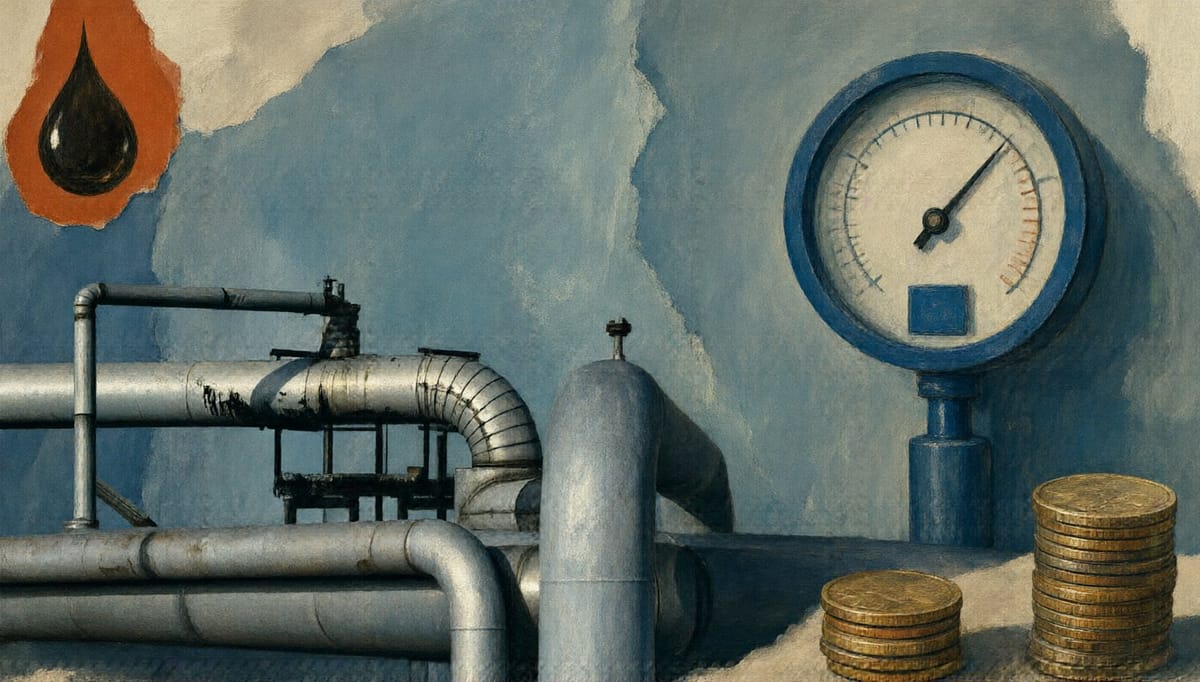
By the numbers: Research commissioned by Greenpeace shows the oil industry made €36 billion in profit in the EU since the war broke out. A large part of it reportedly came from selling fuel to drivers.
Why profits rise:
- Lucia van Geuns of the Den Haag Centrum voor Strategische Studies (HCSS) says firms like Shell and BP handle extraction, transport, refining and sales themselves, so their costs barely change.
- The war and geopolitical tensions caused a global oil shortage, pushing up the world market price.
- Gerben Hieminga, energy economist at ING, says refineries in the Middle East and Russia were destroyed or cut output after drone attacks.
- Hieminga says refining capacity is very low, so companies owning refineries earn the most from making fuel.
- Van Geuns says trading houses also profit. They own no crude oil but buy it cleverly and resell it higher.
Why prices stay high: Van Geuns says profit is part of how the market works. She notes many oil companies lost money during the coronapandemic. Hieminga says high prices help restore balance, because demand for diesel and petrol should fall somewhat.
Why government can do little:
- Apart from raising the profit tax on oil companies, the experts see few options to limit profits.
- The government cannot legally force a company to sell cheaper, because oil and fuel prices follow the world market.
- Hieminga says the state needs these companies in other areas and does not want to make the market so unattractive that they leave.
- Van Geuns says a national government can only act on profit a company demonstrably makes in the Netherlands, not abroad.
The bottom line: The experts say it is understandable that many people want intervention, but in practice it is hard to carry out.