European Commission to review nature rules from 2027
The European Commission will assess whether the EU's nature protection rules need changing, a step Dutch farmers see as hopeful but one that brings no quick relief.
Driving the news: The Commission announced earlier this week that it will look at the Birds and Habitats Directives in the third quarter of 2027. Changes are not ruled out, but the article says it is not certain Brussels will change anything. If it does, it will take a long time before new rules apply.
Why it matters: Article 6 of the Habitats Directive says a new building project cannot in principle go ahead if it harms a protected nature area. Because much vulnerable nature already suffers from too much nitrogen, any extra nitrogen is banned. Farmers near such areas often cannot build a new barn, and new roads or housing estates often cannot proceed.
The background:
- The Birds Directive dates from 1979 and protects wild birds.
- The Habitats Directive followed in 1992 and currently obliges EU member states to preserve all animal and plant species.
- Both directives produced the Natura 2000 network of protected areas.
- The Netherlands has 162 Natura 2000 areas, from the Veluwe and the Waddenzee to the 20-hectare Lieftinghsbroek in Groningen.
What they said:
- LTO (Dutch farming and horticulture organisation) welcomed the move. Chair Ger Koopmans called it an important step.
- LTO stressed that new rules are far off and that farmers will see no short-term relief.
- LTO also said it will not directly affect the nitrogen package that agriculture minister Jaimi van Essen detailed further this week.
The opposition: Nature groups oppose the plans. Karsten Schipperheijn, director of Vogelbescherming Nederland (bird protection group), said that once the foundation of nature protection is tampered with, the floodgates open. He said dismantling these laws would be disastrous.
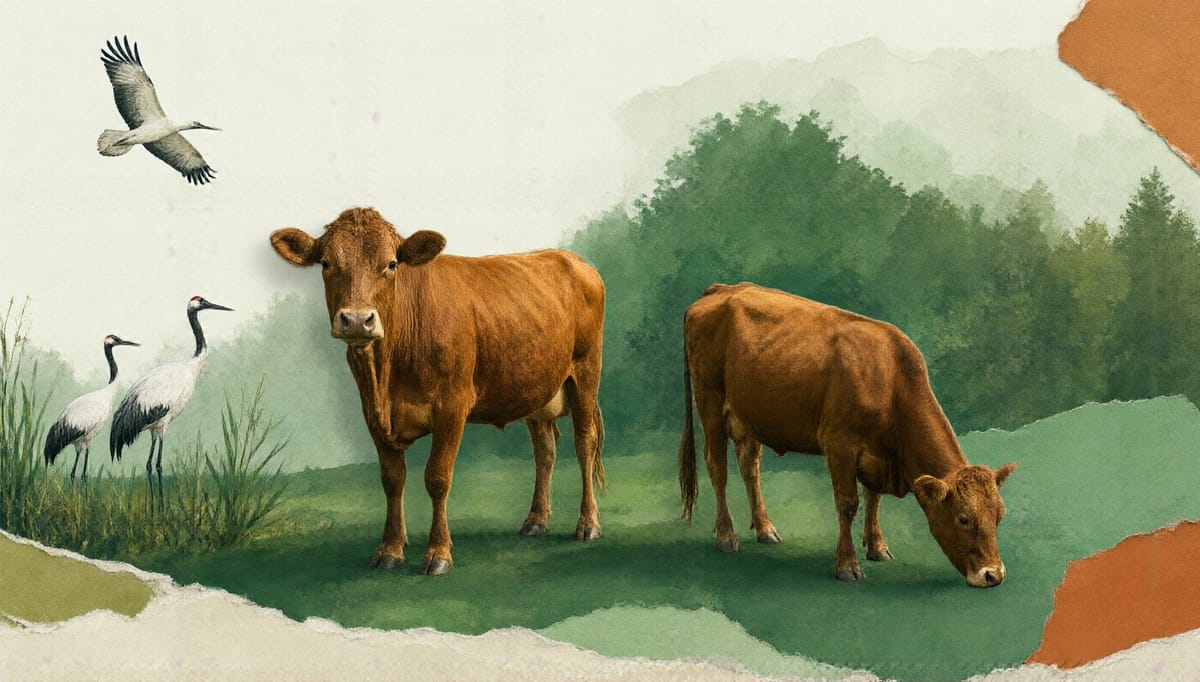
Vogelbescherming fears that losing protected status would hit species such as the white-tailed eagle and the common crane. Both returned to the Netherlands as breeding birds early this century because certain areas were strongly protected.
What is next: Several groups, including the Wereldnatuurfonds, Vogelbescherming Nederland and Natuur & Milieu, have joined as Bescherm wat ons beschermt. They urge the Dutch cabinet to push in Brussels to keep nature protection.