End of net metering sparks home battery rush
The number of Dutch households with a home battery more than doubled this year to almost 430,000, according to research firm Dutch New Energy.
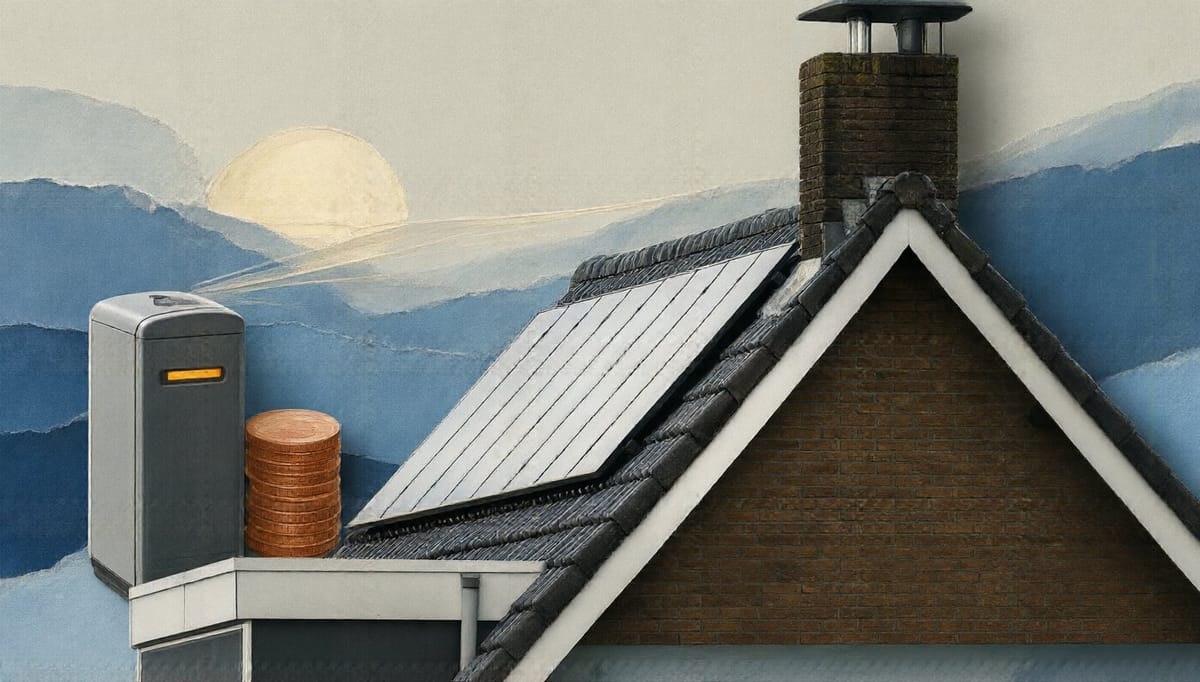
Why it matters: The main cause appears to be the end of the salderingsregeling (net metering scheme). From 1 January, feeding power back to the grid becomes less profitable for the more than 3 million Dutch households with solar panels.
The details:
- Installer Lokaal Verduurzamen fits seven to ten batteries a week on average, said Nick Bretveld. Its agenda is filling up, and it is checking whether it can scale up.
- Dutch New Energy expects more growth. Lead researcher Hrvoje Medarac said people who see the change on their bill next year will react.
- He also said some people will choose a new battery in 2028, once they see their yearly solar savings fall.
- By the end of this year, total battery capacity on paper could power the Netherlands for about half an hour. That can be longer or shorter, depending on the time of day and how much energy is generated.
Warning from the Consumentenbond: Joyce Donat of the Consumentenbond (Consumers' Association) urged solar panel owners to research carefully and not rush. Not every seller can keep their promises, she said, and scammers approach people at the door or by phone.
Payback: The Consumentenbond calculates that an average household needs about 15 years to earn back a home battery. That is roughly the battery's lifespan, Donat said. Some people can recoup the cost faster. She said this mostly applies to those with a lot of knowledge and motivation who steer their power use closely. Some buyers do not mind if they never earn it back.
Bigger batteries: More companies sign contracts without a guarantee of power at certain moments because the grid is congested, and batteries help bridge this. New solar and wind farms increasingly get a battery directly. In early November, the cabinet presented a vision to greatly grow battery capacity over the next 15 years. People will also be able to let grid operators control their battery for a fee.