Eerste Kamer approves growing embryos for research
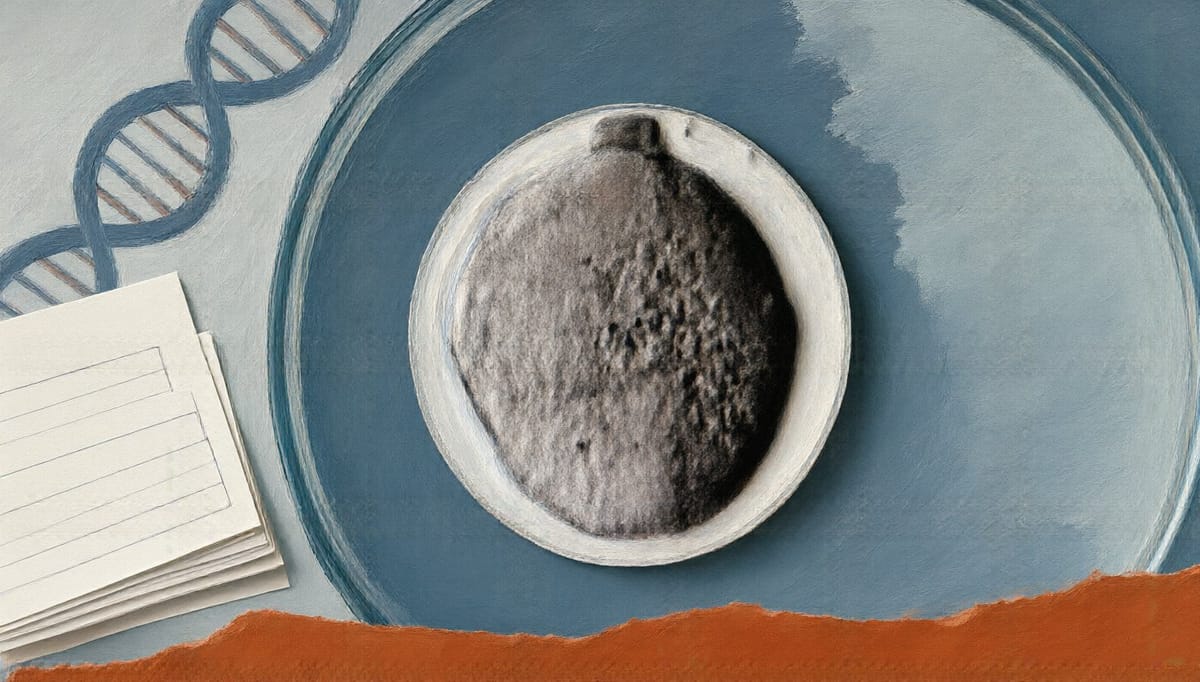
The Eerste Kamer (Dutch Senate) has approved a D66 and VVD proposal to allow embryos to be grown specifically for scientific research.
The vote: The Senate voted 38 to 35 in favour, a narrow majority. In the Tweede Kamer (House of Representatives), about a year ago, 90 members voted for and 59 against.
What changes:
- Researchers have so far only been allowed to use embryos left over after IVF treatment.
- Research into hereditary diseases and involuntary childlessness may soon also use embryos created for that purpose.
- Researchers want to study embryos right after fertilisation, in the first hours and days.
Why proponents want it: D66 and VVD expect the change to help couples who struggle to have a child. Leftover IVF embryos are already too far developed for this kind of fundamental research.
The debate: The plan is contested. Scientists want it, but critics see a step towards designer babies, or call it indefensible to create life and then discard it.
Europe: Embryo cultivation is allowed under conditions in the United Kingdom, Belgium, Sweden and Finland. Some countries do not allow embryo research at all, not even on leftover embryos.