Dutch Regulator Proposes Variable Electricity Grid Tariffs
Dutch households will pay time-dependent electricity grid fees from 2029 under a new plan by market watchdog ACM.
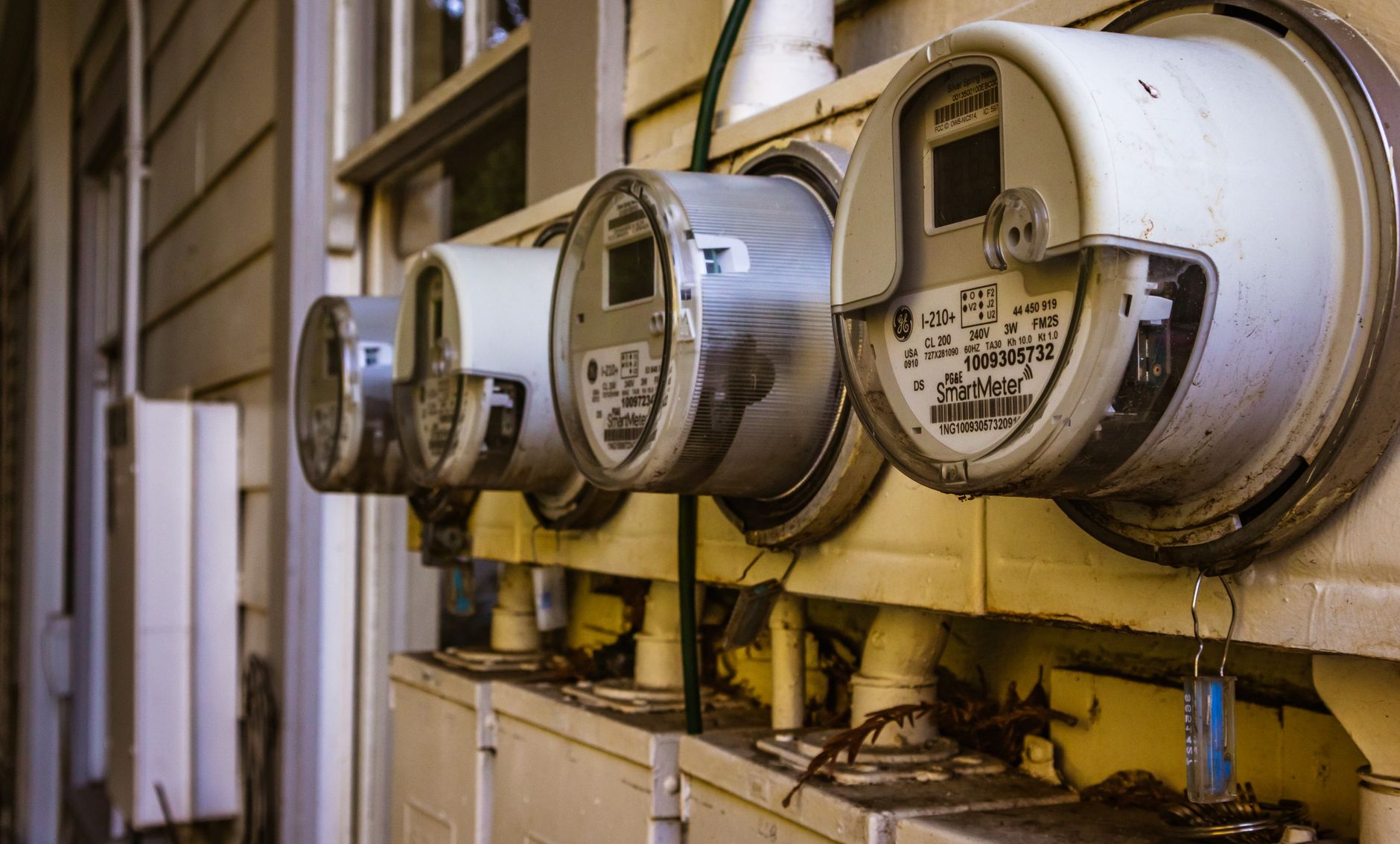
Driving the news: Autoriteit Consument & Markt (ACM, the Dutch consumer and market regulator) unveiled the proposal on Thursday following discussions with grid operators, industry association Energie-Nederland, and the economic affairs ministry.
The details:
- Roughly one-third of the transport charge will remain fixed, with the remainder determined by electricity volume and timing.
- Grid managers will use low, normal, and high tariff blocks, which will differ between summer and winter seasons.
- Summer afternoon grid fees will drop to zero, while charging a car on a winter evening will cost three times more than on a summer morning.
Why it matters: Grid managers expect peak electricity demand from households to fall by 10 percent, releasing sufficient capacity to connect approximately 700,000 extra residences without immediately expanding the network.
Who is affected: ACM board member Manon Leijten said roughly 60 percent of households will benefit financially. The regulator projects that a small apartment will pay €100 to €200 less annually in 2029 compared to the prior year, whereas a detached home with a heat pump and electric car will pay €300 to €450 more even if consumption is shifted.
What is next: The watchdog will finalize the regulatory framework later this year before it takes effect in 2029.