Dutch police publish suspects' photos, experts warn of risks
Dutch police are publishing clear images of suspects to find them, and it works, but experts warn of privacy harm and vigilantism.
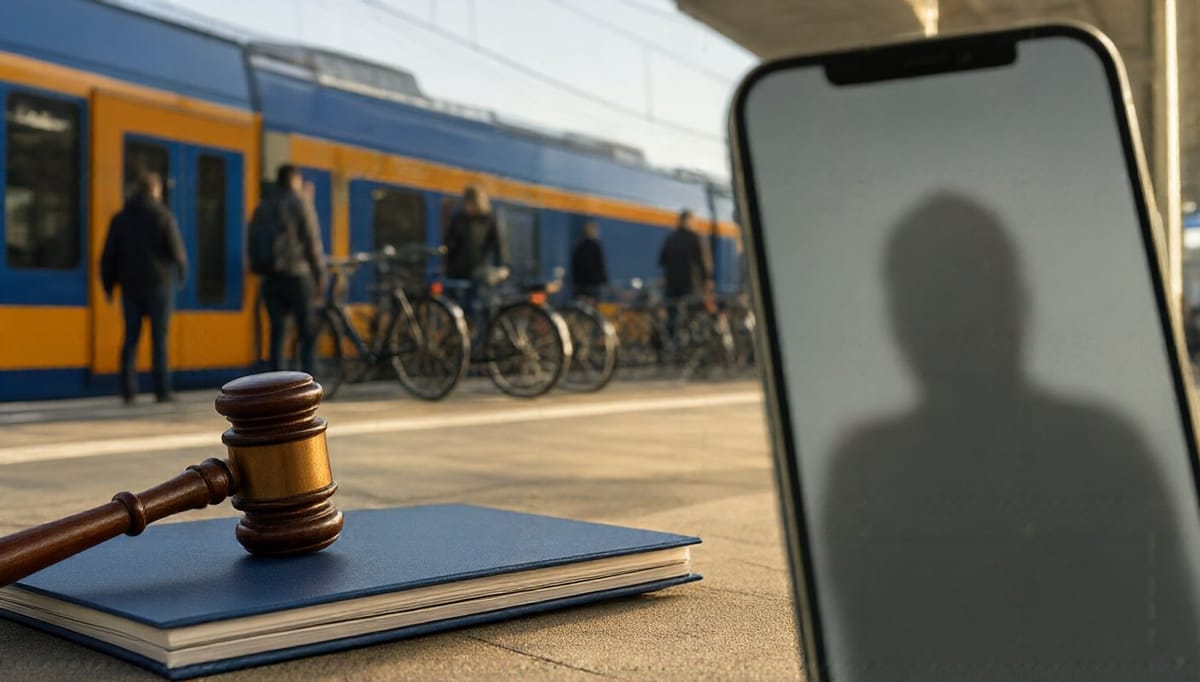
Driving the news: After a 17-year-old boy was seriously assaulted on a train between Arnhem and Ede last summer, police published images showing the three suspects clearly. Police told Nieuwsuur that one suspect has come forward and enough information has arrived about the others.
By the numbers:
- Earlier this year, the Game Over?! campaign showed recognisable images of 79 suspects of babbeltrucs (distraction-theft scams).
- According to the latest reports, 74 of 100 suspects were identified.
- Over the last five years, between 6,000 and 7,000 images of possible suspects have been circulated.
- The Openbaar Ministerie (Public Prosecution Service) says the wrong images were shown "in a dozen cases".
The concerns:
- Sven Brinkhoff, professor of criminal law, said it is a matter of waiting until this goes wrong. He said what happens to a photo afterwards cannot be controlled.
- He warned that citizens could act on the information themselves, which could escalate. He also warned of irreparable damage if a suspect proves innocent.
- Lotte Houwing of privacy group Bits of Freedom said it is hard to get rid of such images. She said they can follow someone for a long time and strip the case of context.
Precedent: In the 2013 Eindhoven kopschopzaak (head-kick case), the Openbaar Ministerie published footage of an assault by eight youths on a 22-year-old man. According to the court, the suspects were approached and their names, phone numbers and addresses appeared online. They were followed to their homes and lost their studies or jobs. An innocent namesake received dozens of threatening emails and calls. The suspects got reduced sentences, and the court said police and the OM could have used less intrusive means.
What is next: Brinkhoff expects police to use the method more often. On 2 July 2026, the Tweede Kamer (lower house of parliament) adopted a PVV motion to expand the campaign, backed by 143 members.