Cabinet cuts drought funding despite billions in damage
The cabinet is taking 284 million euros from the Delta Programme Fresh Water (Deltaprogramma Zoetwater), even though last summer's drought caused billions in damage.
Driving the news: Minister Vincent Karremans (Infrastructure and Water Management) took the money out of the programme last week. He says it is needed to maintain bridges, roads and other infrastructure.
By the numbers:
- €284 million is removed from the Delta Programme Fresh Water, which was meant to secure future fresh water supplies.
- €172 million for water quality recovery in the Grevelingen is cancelled.
- More than €500 million for better nature in and around rivers is cancelled.
- In total, more than €1 billion is cut.
Audit office criticism: The Algemene Rekenkamer (Netherlands Court of Audit) said in a report in early September that the minister gives "insufficient direction". Nearly three quarters of measures in the first phase (2015 to 2021) ran late and cost more than expected.
Funding change: The Rekenkamer said measures did not run late when the ministry co-paid. For waters the national government does not manage, such as smaller rivers and streams, the Rijk paid 25 percent and water boards or provinces 75 percent. The national government now pays nothing for those projects.
What they said:
- A spokesperson for Karremans said the choices were not light ones, but there was more to do on infrastructure maintenance than budget allowed. The spokesperson said the government is not withdrawing and sent an email to "fresh water partners" offering talks.
- Delta commissioner Co Verdaas said last month that more, not less, should be invested in climate adaptation.
- Floor Wissing-Kunst of the Unie van Waterschappen (Union of Water Boards) said investing in water safety, fresh water and water quality is a necessity, and one need should not come at the expense of another.
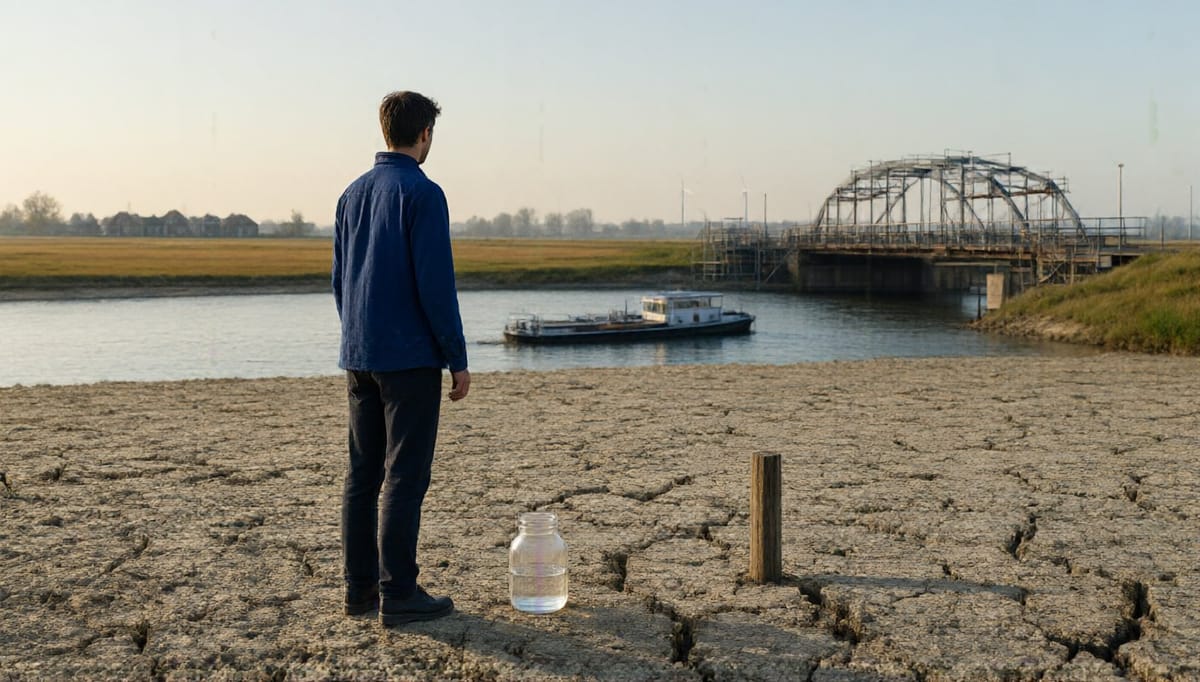
Drought impact: The Rekenkamer said sugar beet yields fall about 1.5 percent, and potato yields 1 to 2.1 percent. Ships can carry up to 5 percent less, and industry faces higher costs because cooling water is warmer. Karremans acknowledged that drought damage will only increase in the coming years.