Cabinet adds €1.3 billion for CO2 storage
The Dutch cabinet is adding €1.3 billion in government support for the Aramis project to store CO2 under the North Sea, but success is not yet assured because companies hesitate.
Why it matters: Industry is becoming greener more slowly than needed to meet climate goals. The cabinet is putting extra money into capturing and storing the greenhouse gas to keep those goals in sight.
Porthos: The first Dutch CO2 storage project is due to start next year in Rotterdam.
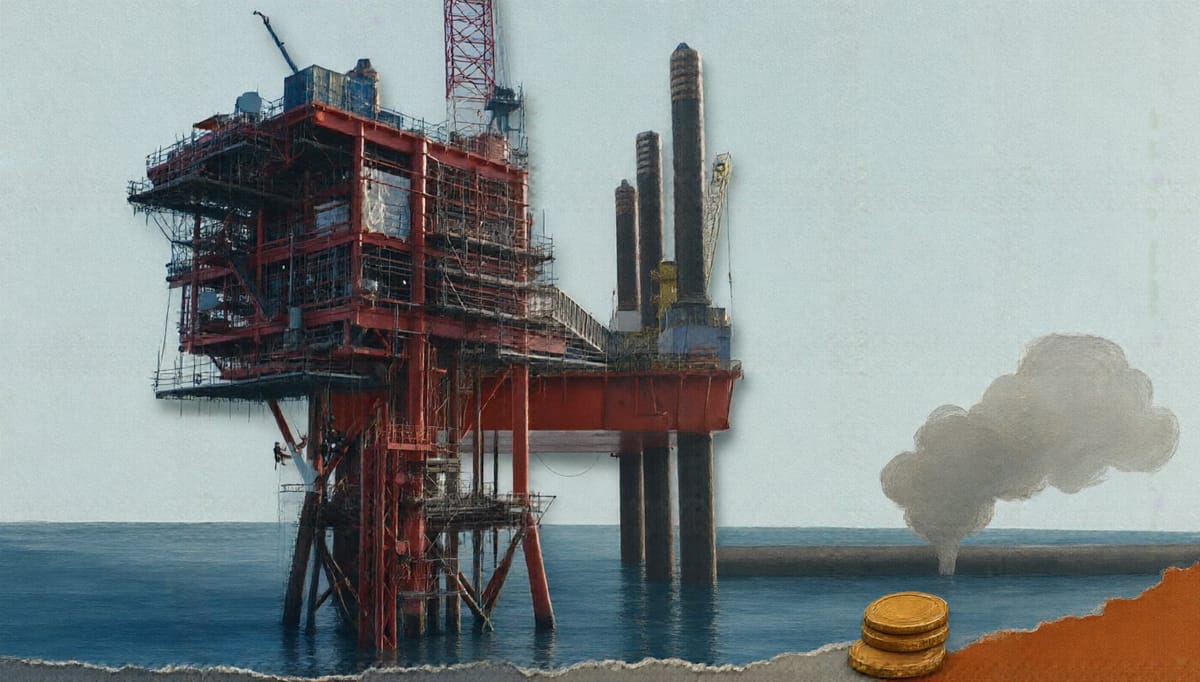
- The former gas platform P18-A, 20 kilometres off the Rotterdam coast, is being converted into an injection platform.
- The first CO2 was initially due to go under the seabed at the end of this year. Several technical causes have delayed it.
- Porthos can capture 2.5 megatons of CO2 a year, about ten percent of emissions in the Rotterdam port.
- Most comes from Shell's Pernis refinery, which could cut its emissions by 20 percent. The rest comes from ExxonMobil, Air Products and Air Liquide.
- The CO2 travels through a 30-kilometre pipeline to the Maasvlakte. It is then stored in a largely empty gas field 3.5 kilometres below the seabed.
Aramis: This larger successor would store CO2 from the Netherlands, Germany and Belgium. Waste incinerators, Tata Steel, cement plants and the chemical industry could use it. Industry causes about a third of Dutch emissions.
Why companies hesitate:
- Companies show little interest in joining Aramis despite subsidy schemes. The investments are huge and the returns uncertain.
- Emission rights in the European ETS system are currently priced too low, so emitting is cheaper than capturing and storing CO2.
- Shell and TotalEnergies withdrew last year from building Aramis transport infrastructure. State companies EBN and Gasunie must now cover the full construction cost.
What is next: The subsidy lets construction start with fewer participants, but the business model is still not settled. Several large customers must join to allow a final investment decision next year. They also need long-term certainty on CO2 prices and stable government policy.