Budget brand war drives supermarket prices down, for now
Some Dutch supermarket own-brand products now cost only tens of cents, but retail professor Laurens Sloot expects groceries to be 4 to 7 percent more expensive next year.
By the numbers:
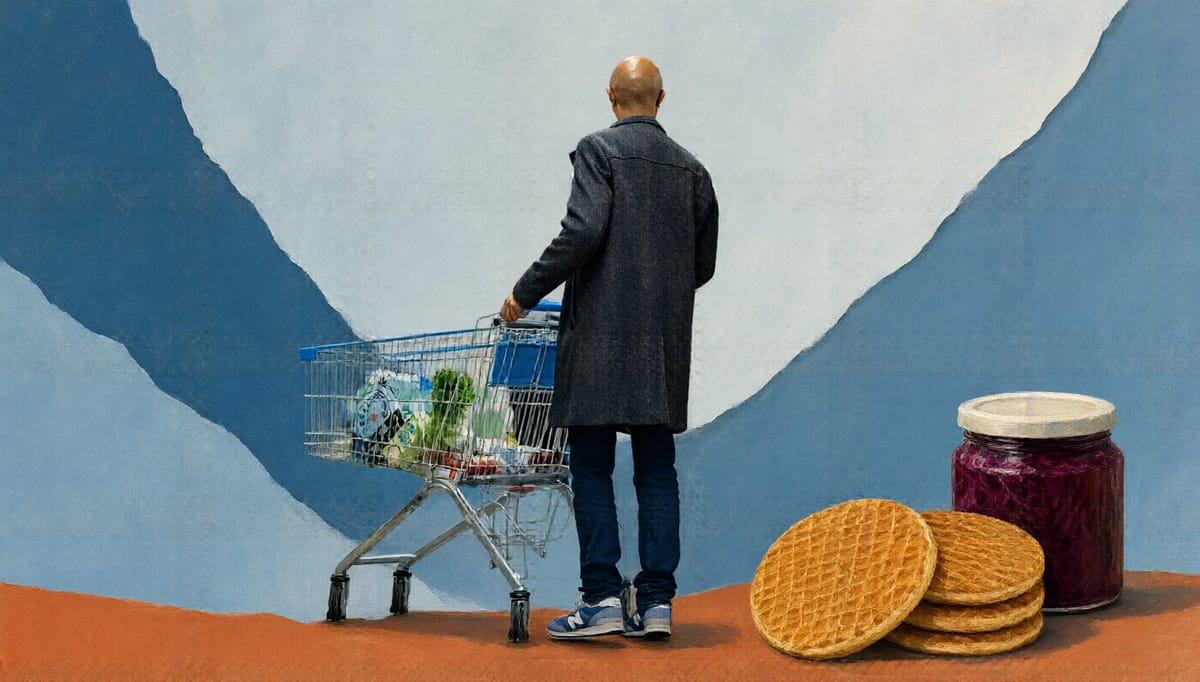
- A pack of stroopwafels costs 28 cents in some supermarkets. The cheapest pack cost 78 cents earlier this year.
- A jar of red cabbage costs 26 cents.
- A pack of brown rice costs 45 cents.
- Budget jam and peanut butter also cost only tens of cents.
Why prices are so low: Sloot, of the Rijksuniversiteit Groningen, calls the prices absurdly low. He said supermarkets earn almost nothing on these items and sometimes lose money. He said that need not be a disaster for them, as long as shoppers also buy products with a good margin.
Driving the news: Sloot named consumers' high price sensitivity as the main cause. Shoppers switch quickly to a cheaper store, so supermarkets must follow. They watch rivals' cheapest own brands closely, and a rival often follows a cut of a few cents quickly. Sloot said he does not know if this is a price war, but it may be a budget brand war.
- Sloot said supermarkets want to score well with organisations such as Kassa and the Consumentenbond (Dutch consumer association). They look at the cheapest items in a product group.
- A discounter usually comes out cheapest and uses that in its marketing. Sloot said Plus, Albert Heijn and Jumbo dislike this and have to follow.
Raw materials: Many commodity prices peaked in 2022 and 2023, then fell. Supermarkets and suppliers often agree purchase prices for a year, so the drops reach shelves with a delay. Sloot said farmers got about 60 cents per litre of milk around three years ago and now get about 40 cents.
What is next: Sloot expects the price falls to end as the year closes. Supermarkets and suppliers are negotiating purchase prices for 2027 now. He said many manufacturers face rising raw material costs in 2026, after a relatively cheaper 2025. He also pointed to costlier energy because of the Iran war and higher wage costs from 1 January, when the youth wage rises.