Bomb threats on flights bring care but no compensation
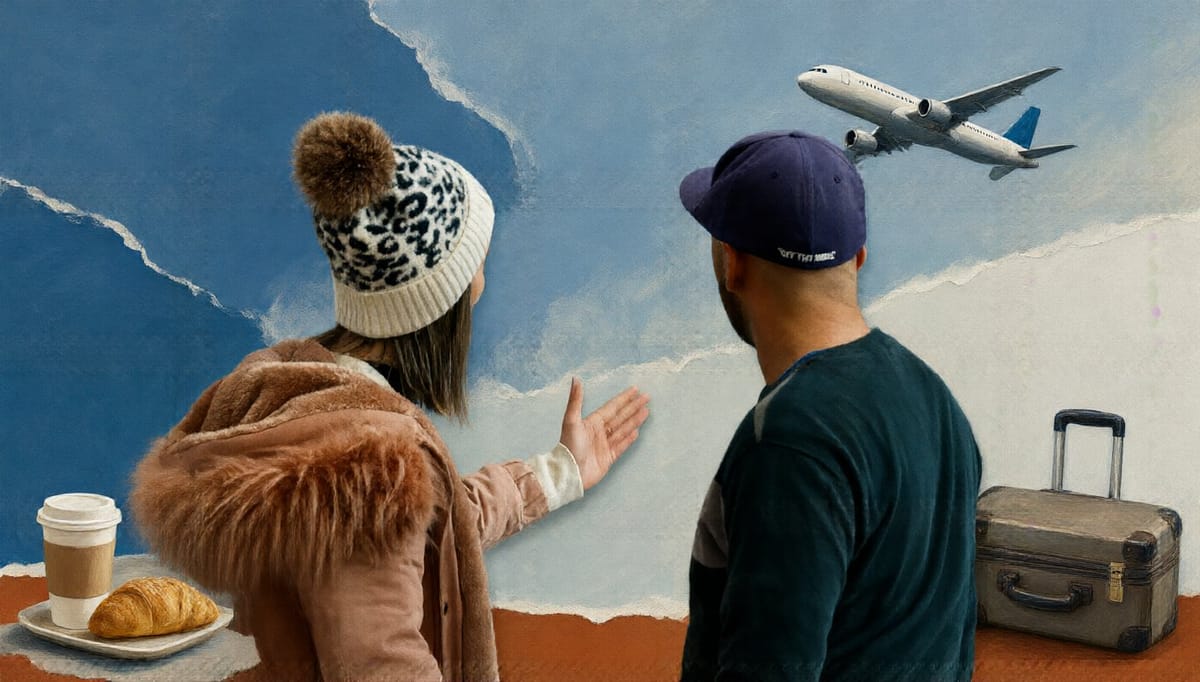
European air traffic faced three series of bomb threats this week, and passengers on affected flights get no compensation but are entitled to care.
The latest:
- At least ten aircraft were affected, including a KLM flight from Prague to Amsterdam.
- As far as is known, no bomb was found and nobody was hurt. The threats seem aimed mainly at disrupting civil aviation.
- Eurocontrol (European air traffic control body) said 14 flights received a bomb threat on Thursday, out of more than 26,000 flights in European airspace.
- Who is behind it is unclear. Experts say an organised campaign is plausible. The Irish government called it a coordinated action after threats against Irish media.
Why no compensation: Bomb threats count as a terrorist threat, which falls under force majeure. Airlines are therefore not obliged to pay. Delays can last hours, for example when a plane diverts or must be searched first.
What passengers can claim:
- Food and drink, if proportionate to the waiting time.
- An overnight stay and replacement transport.
- A replacement flight if the trip is cancelled. If the airline cannot provide one, passengers can ask for compensation.
- These duty-of-care rules are set in European regulations.
Exception: A KLM flight to Tel Aviv, with a planned stop in Bucharest, also received a threat shortly before arrival. It could not continue because of a technical fault, so its passengers can claim compensation.
Cost to airlines: Paul Vaneker, aviation analyst at claims firm Flightright, said a continental flight holds about 180 passengers. Care for them, plus an unplanned landing, could run into tens of thousands of euros. Airlines already face high fuel prices and the closed airspace over Russia and Ukraine.
What they said:
- Aviation expert Joris Melkert called the damage manageable for now. He said costs could eventually be passed on in ticket prices, and that the threats may unsettle people considering booking a flight.
- Bart van den Berg of Instituut Clingendael said the biggest consequence is social unrest and a feeling of insecurity. He said airlines must judge which threats could be real.