Bird flu hits Hierden duck farm, transport ban imposed
Bird flu has been found again at a duck breeding farm in Hierden (municipality of Harderwijk, Gelderland), and about 9,500 animals will be culled.
The latest: The ministry of Agriculture, Fisheries, Food Security and Nature (LVVN) decided the Nederlandse Voedsel- en Warenautoriteit (NVWA, food safety authority) will cull the birds to prevent the virus from spreading. This farm was culled three times before: twice in 2022 and once in 2025.
Second case: On 9 November, bird flu was also found at another duck poultry farm in Hierden. That farm has since been culled. It had also seen infections before: twice in 2022 and once in 2025.
Transport ban:
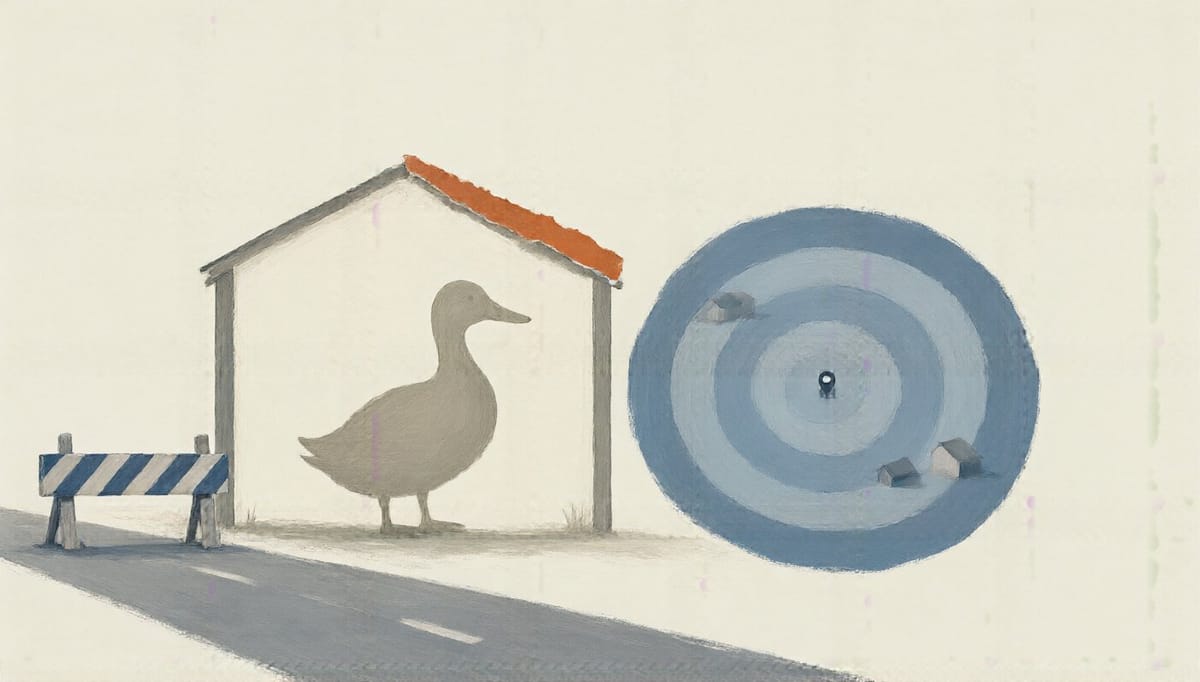
- A 10-kilometre restriction zone applies, made up of a 3-kilometre protection zone and a 10-kilometre surveillance zone.
- Birds, hatching eggs and consumption eggs may not leave locations with birds in the zone.
- Removal of bird manure and used litter is also banned.
- Animals other than birds and their products may still move, if they follow the strict hygiene protocol.
- The zone is shown on the dierziektenviewer (animal disease viewer) of the Rijksdienst voor Ondernemend Nederland (RVO).
By the numbers: Two poultry farms lie within 1 kilometre of the infected site, including the one culled after the 9 November case. No other poultry farms lie within 3 kilometres. Eleven other poultry farms lie within 10 kilometres.
Follow-up:
- Extra research will look at possible routes of introduction and spread.
- The NVWA will screen the uninfected farm in the 1-kilometre zone. It will be monitored for 10 days through carcass sampling and for 14 days by phone.
- The NVWA is also tracing risky contacts, including any products or poultry moved to or from the site before the report. Extra measures may follow, such as more sampling or blocking a contact farm.
National rules: A national housing order and shielding order has applied since 28 October. The housing order covers all commercially kept birds. The shielding order covers non-commercial risk birds, such as hobby chickens. Since 28 October, the national ban on visiting bird housing at commercial sites has also been tightened. Visits are allowed only when needed for public health, animal health, animal welfare or the health of people in the stable.