Bank fraudsters grow more personal and use AI
Bank fraudsters are using more personal, convincing tactics, including AI, to steal bank details, according to the Fraudehelpdesk (Dutch fraud helpline) and banks.
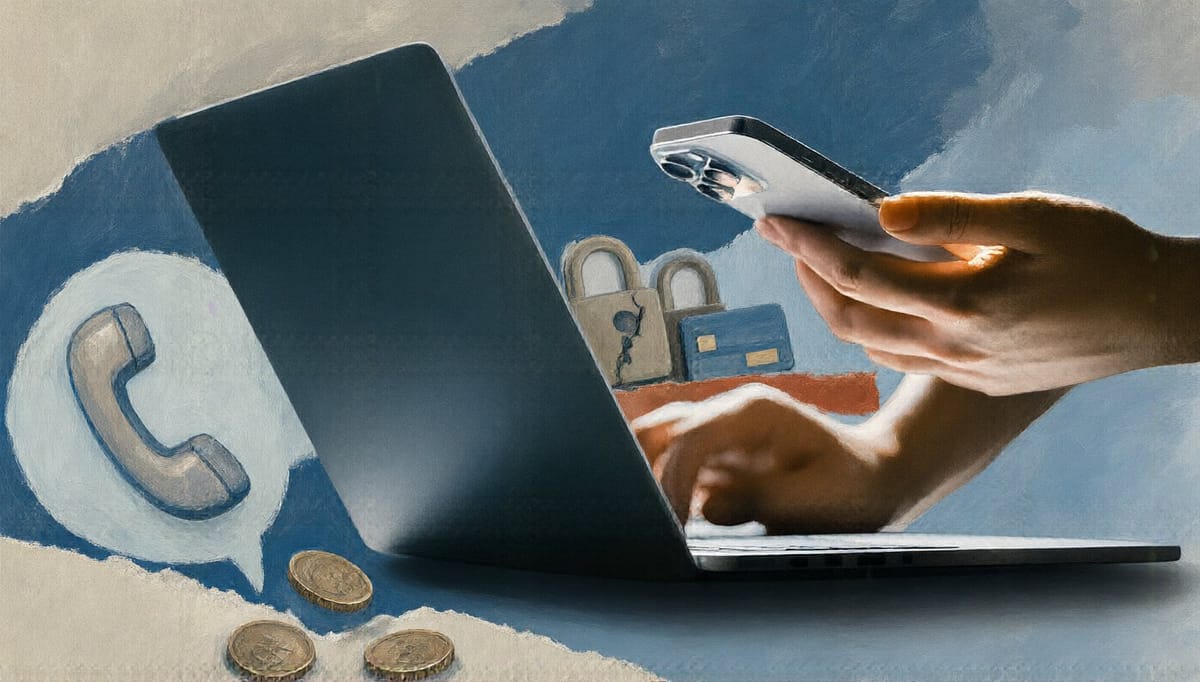
Driving the news: The Fraudehelpdesk says the attacks are becoming more personal. Fraudsters hold names, phone numbers, email addresses or other data, so they can sound more convincing. They sometimes keep victims on the line for hours or days.
By the numbers:
- Total bank fraud damage last year was almost €26 million, according to the Nederlandse Vereniging van Banken (NVB, Dutch Banking Association).
- ING research found 46 percent of Dutch people have experienced fraud or an attempt.
- Victims say fraud mostly comes via text or WhatsApp (42 percent), email (39 percent) and phone calls (36 percent).
How it works:
- Fraudsters pose as bank staff or the Fraudehelpdesk. They use heavy psychological manipulation, time pressure and technical tricks.
- The Fraudehelpdesk says they increasingly use spoofing, which fakes phone numbers or senders. They also use AI to make messages look more realistic.
- ABN AMRO fraud expert Marco Hendriks said victims have been held for two days. In one example, the caller claimed there were many burglaries nearby and asked for bank details to secure them.
Data leaks: Several recent cyberattacks have stolen personal data. A Fraudehelpdesk spokesperson said it cannot establish a direct causal link between individual leaks and more fraud. It called it logical that available data helps fraudsters seem credible.
What they said:
- Hendriks said victims should hang up and always call the bank back if they distrust a call.
- Aniek Berendsen, fraud director at ING Nederland, said fraud can happen to anyone. She suggested setting a suitable daily limit, or asking an acquaintance to look along when in doubt.
- The Fraudehelpdesk said people still think they can spot a fraud message themselves.
The bank response: The big banks say they invest heavily in keeping customer and bank data from criminals. They would not say how much.