ACM warns of rising reports about rogue energy salespeople
The Autoriteit Consument en Markt (ACM, Dutch consumer watchdog) says more consumers are reporting misleading energy sales, and it is urging people to end unsolicited sales conversations.
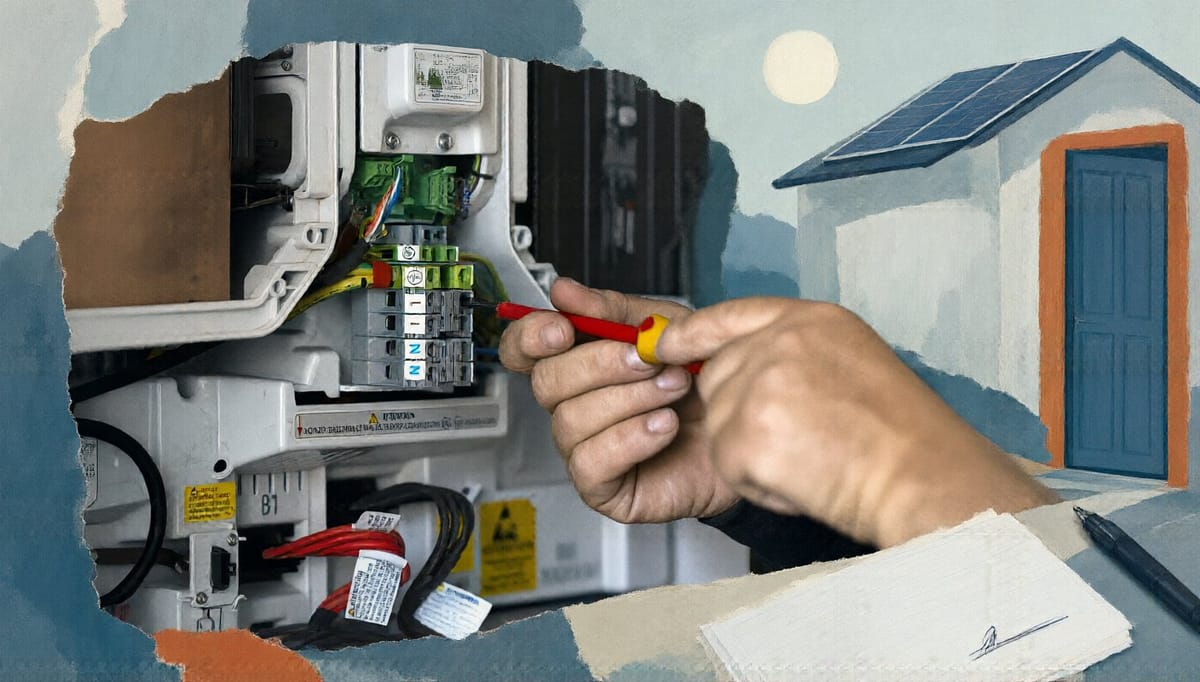
Driving the news: The ACM sees more reports of people paying hundreds of euros for misleading sustainability advice. Others unintentionally sign contracts for home batteries worth tens of thousands of euros. The ACM launched an awareness campaign today.
Why it matters: The ACM says high energy costs, the end of the salderingsregeling (net metering scheme) on 1 January 2027 and the wide range of sustainability products create uncertainty. According to the ACM, unreliable sellers exploit this uncertainty and raise the pressure.
How the sellers work:
- They often know a lot about the home or its energy use.
- Sometimes they pretend to work with an energy supplier or municipality.
- They make false promises, such as a discount that supposedly applies only today, and withhold key information.
- Promised products or services are sometimes not delivered.
By the numbers:
- ACM research among 1,800 respondents found that almost half were approached by phone or at the door about energy products.
- More than a third want to make their home more sustainable.
- More than 40 percent say there are too many options, which makes choosing hard. Among people with many financial worries, it is more than half.
What they said:
- The ACM urges people to do their own research, for example by asking the municipality, whose energy coaches can give tips. Its slogan is "Stop het gesprek. Start je eigen check".
- The Consumentenbond (Dutch consumers' association) says it received almost 1,000 complaints in a year. It says sellers often intimidate and threaten people. It advises not engaging with door or phone sales, because companies often change names.
- The Consumentenbond says it can demand that companies stop, take legal action where possible and recover money for consumers.
- Vereniging Eigen Huis (homeowners' association) says people are misled but, legally speaking, not always defrauded, because sellers use rules cleverly.
Who backs the message: The Consumentenbond, the Fraudehelpdesk, the Juridisch Loket (legal aid office) and Vereniging Eigen Huis support the ACM's message.